



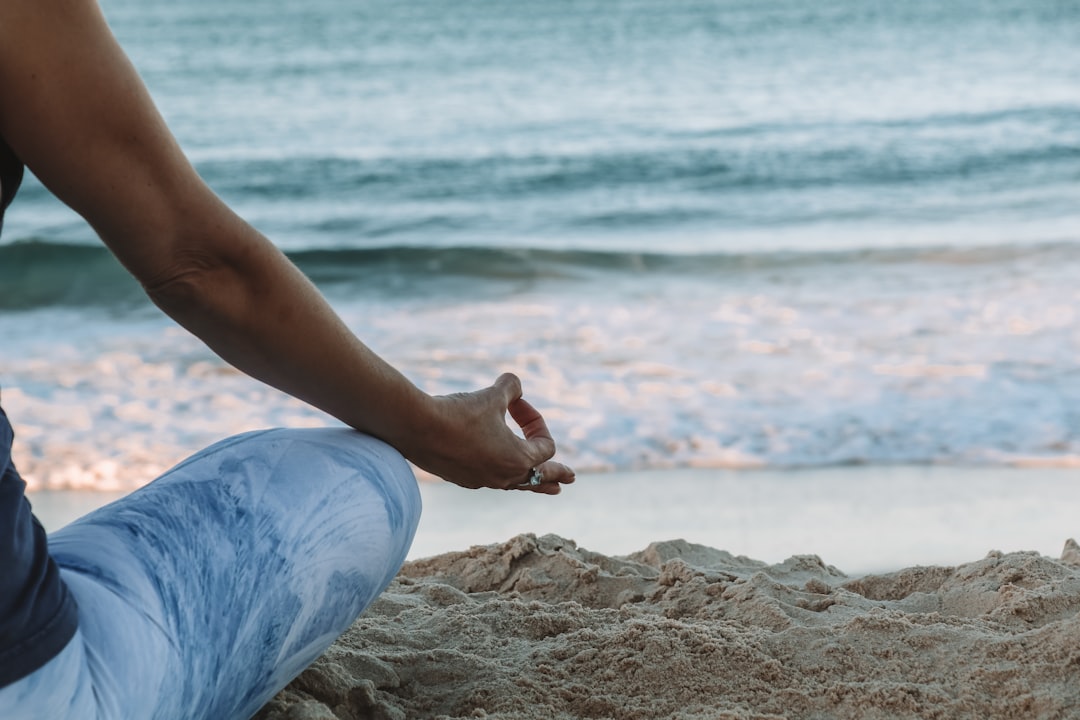
The modern world, with its relentless pace and constant stimulation, frequently leaves individuals feeling overwhelmed and disquieted. In response to this pervasive unease, the practice of meditation has emerged as a widely recognized and increasingly adopted method for cultivating inner peace. This article will explore the multifaceted nature of meditation, delving into its historical origins, diverse forms, reported physiological and psychological benefits, and its practical application as a tool for improved well-being.
Meditation, far from being a contemporary fad, boasts a rich and extensive history, with roots deeply embedded in various spiritual and philosophical traditions across the globe. Its evolution reflects a continuous human endeavor to understand the mind and transcend suffering.
Ancient Origins and Spiritual Traditions
The earliest evidence of meditative practices can be traced back thousands of years. Archaeological discoveries and ancient texts suggest that forms of contemplative practice were present in pre-historic societies. For instance:
- Vedic Traditions (India): The Vedas, ancient Indian scriptures dating back to 1500–500 BCE, contain hymns and rituals that allude to practices of stillness and inward focus, precursors to what is now recognized as meditation. The concept of Dhyana, a Sanskrit term often translated as meditation, is fundamental in yogic and Hindu philosophies.
- Buddhism (India/Nepal): Siddhartha Gautama, the Buddha, extensively utilized meditative practices as a core component of his path to enlightenment. Buddhist meditation, particularly Vipassana (insight meditation) and Samatha (calm abiding), forms the bedrock of many contemporary mindfulness techniques. These practices aim to cultivate awareness of the present moment and to understand the nature of reality.
- Taoism (China): Ancient Taoist texts, such as the Tao Te Ching and the writings of Zhuangzi, describe practices of “sitting in oblivion” or “quiet sitting” (zuo chan), which involve stilling the mind and aligning with the flow of the universe, known as the Tao.
- Jainism (India): Jain monks and practitioners engage in Samayika, a form of meditation focused on attaining equanimity and self-purification, often involving specific postures and mantras.
Western Interpretations and Modern Adaptations
While commonly associated with Eastern religions, contemplative practices have also existed within Western traditions, albeit often under different nomenclature.
- Christian Mysticism: Early Christian desert fathers and mothers, as well as medieval mystics like Meister Eckhart and Teresa of Ávila, engaged in forms of contemplative prayer and silent reflection that share thematic similarities with Eastern meditation, focusing on union with the divine through inward stillness.
- Philosophical Contemplation: Ancient Greek philosophers, including Plato and the Stoics, advocated for periods of introspection and mental discipline to achieve wisdom and tranquility. Seneca the Younger’s writings, for instance, frequently emphasize the importance of reflecting on one’s thoughts and actions.
- Secularization and Scientific Inquiry: In the 20th and 21st centuries, meditation began to transcend its purely religious contexts. The influx of Eastern spiritual teachers to the West, coupled with growing scientific interest in its effects on the brain and body, led to the development of secular meditation programs. Mindfulness-Based Stress Reduction (MBSR), pioneered by Jon Kabat-Zinn, is a prominent example, adapting Buddhist meditative techniques for clinical and secular applications. This shift has democratized meditation, making it accessible to a broader audience seeking well-being rather than solely spiritual enlightenment.
Meditation is a powerful practice that can enhance mental clarity and emotional well-being. In addition to its benefits, it’s essential to consider how our daily habits impact the environment. For instance, engaging in sustainable practices, such as recycling, can complement a mindful lifestyle. You can read more about the importance of recycling in the article titled “4 Reasons Why Cardboard Recycling Drop-Off is Essential for the Environment” found at this link.
The Diverse Forms of Meditation
Meditation is not a monolithic practice; it encompasses a spectrum of techniques, each with its unique approach to cultivating focus and awareness. Understanding these variations can help individuals identify a practice that resonates with their personal needs and temperament.
Focused Attention Meditation
This category involves directing attention to a single object, thought, or sensation. When the mind wanders, as it inevitably will, the practitioner gently guides it back to the chosen focus.
- Breath Awareness: A common and foundational practice, breath awareness involves observing the natural rhythm and sensation of one’s breath. It serves as an anchor, grounding the individual in the present moment. The rise and fall of the abdomen, the sensation of air entering and leaving the nostrils, or the sound of the breath can be the focal point.
- Mantra Meditation: This technique involves the repetition of a word, phrase, or sound (mantra) to quiet the mind and induce a meditative state. Mantras can be spoken aloud, whispered, or silently repeated. Examples include “Om” in Hindu and Buddhist traditions, or specific phrases in Transcendental Meditation (TM). The repetitive nature of the mantra helps to bypass discursive thought.
- Visualizations: Practitioners may focus on an imagined image, such as a tranquil landscape, a protective light, or a symbolic representation of a desired quality like peace or compassion. This can engage the imagination and evoke specific emotional states.
Open Monitoring Meditation (Mindfulness)
In contrast to focused attention, open monitoring involves a broader, non-judgmental awareness of whatever arises in the present moment – thoughts, emotions, bodily sensations, and external stimuli. The practitioner observes these phenomena without getting entangled in them.
- Body Scan Meditation: This practice involves systematically bringing awareness to different parts of the body, noticing any sensations without judgment. It helps to develop a deeper connection with the physical self and can be particularly effective in reducing physical tension.
- Walking Meditation: Instead of sitting, the practitioner focuses on the physical sensations of walking – the contact of the feet with the ground, the movement of the legs, the rhythm of the gait. This brings mindfulness into everyday activities.
- Mindful Observation of Thoughts and Emotions: This involves observing thoughts and emotions as transient events, like clouds passing in the sky, rather than identifying with them. The practitioner notes their arrival and departure without judgment or analysis, fostering a sense of detachment.
Other Meditative Approaches
Beyond these two primary categories, other forms of meditation offer distinct pathways to inner peace.
- Movement Meditation (e.g., Tai Chi, Qigong): These ancient Chinese practices combine slow, deliberate movements with deep breathing and mental focus. They are considered moving meditations, promoting balance, flexibility, and a calm mind.
- Transcendental Meditation (TM): A specific mantra-based practice introduced to the West in the 1950s, TM involves sitting comfortably with eyes closed and silently repeating a personalized mantra. It is taught through a standardized seven-step course.
- Yoga and Zazen: While yoga encompasses physical postures (asanas), breathing exercises (pranayama), and ethical principles, its ultimate aim is often meditative union. Zazen, meaning “seated meditation” in Zen Buddhism, typically involves specific postures, breath awareness, and a focus on “just sitting” (shikantaza), aiming for a clear and insight-filled mind.
The Physiological and Psychological Alchemy of Meditation
The growing body of scientific research on meditation consistently points to a wide array of demonstrable benefits, transforming it from a purely spiritual pursuit into a scientifically validated tool for enhancing human well-being.
Neuroplasticity and Brain Changes
Meditation has been shown to induce structural and functional changes in the brain, a phenomenon known as neuroplasticity. The brain, far from being a static organ, resembles a malleable landscape, capable of reshaping itself based on experience.
- Increased Gray Matter Density: Studies using magnetic resonance imaging (MRI) have revealed that regular meditation can lead to an increase in gray matter density in areas associated with attention, emotion regulation, and self-awareness, such as the prefrontal cortex and hippocampus. Conversely, it can reduce gray matter in the amygdala, the brain region involved in fear and stress responses.
- Enhanced Connectivity: Meditation appears to strengthen the functional connectivity between different brain regions, particularly between the prefrontal cortex (responsible for executive functions) and the amygdala. This enhanced communication may allow for better emotional regulation and a more considered response to stress.
- Altered Brainwave Patterns: Electroencephalography (EEG) studies have shown that experienced meditators often exhibit increased alpha and theta brainwave activity during meditation. Alpha waves are associated with states of relaxed awareness, while theta waves are linked to deep relaxation, creativity, and memory. This shift in brainwave patterns contributes to the profound sense of calm reported by practitioners.
Stress Reduction and Emotional Regulation
One of the most widely acknowledged benefits of meditation is its efficacy in mitigating stress and enhancing emotional resilience.
- Lowered Cortisol Levels: Meditation has been shown to reduce the production of cortisol, the primary stress hormone. Chronic high levels of cortisol are detrimental to physical and mental health. By downregulating the physiological stress response, meditation acts as a balm for the overactive nervous system.
- Reduced Anxiety and Depression: Numerous clinical trials have demonstrated meditation’s effectiveness in decreasing symptoms of anxiety and depression. Mindfulness-based interventions, in particular, empower individuals to observe anxious thoughts and depressive moods without judgment, thereby reducing their intensity and impact.
- Improved Emotional Intelligence: Regular meditation cultivates a greater awareness of one’s internal emotional landscape. This heightened self-awareness is a cornerstone of emotional intelligence, enabling individuals to understand, manage, and express their emotions more effectively. By creating a space between stimulus and response, meditation fosters a more thoughtful, rather than reactive, approach to emotional challenges.
Enhanced Cognitive Function
Beyond emotional benefits, meditation also offers tangible improvements in various aspects of cognitive processing.
- Increased Attention Span and Focus: The systematic training of attention inherently involved in meditation strengthens the capacity to focus and sustain attention. This translates into improved concentration in daily tasks, from work to personal interactions.
- Improved Working Memory: Some research suggests that meditation can enhance working memory capacity, allowing individuals to hold and manipulate more information in their minds at any given time.
- Boosted Creativity and Problem-Solving: By quietening the constant chatter of the “monkey mind” and fostering a state of relaxed awareness, meditation can open up pathways for novel insights and creative solutions to emerge. The reduced mental clutter allows for a broader perspective.
Integrating Meditation into Daily Life
The power of meditation lies not only in the dedicated practice itself but also in its potential to transform one’s experience of daily life. Integrating this practice requires a commitment to consistent engagement, even in small increments.
Starting Your Meditation Journey
Embarking on a meditation practice does not necessitate grand gestures or immediate mastery. Like planting a seed, it begins with small, deliberate steps.
- Begin with Short Sessions: You do not need to sit for hours. Even 5-10 minutes of focused meditation per day can yield benefits. The key is consistency, not duration. Think of it as a daily vitamin for your mind.
- Find a Quiet Space: While some individuals can meditate amidst chaos, for beginners, a calm and undisturbed environment is conducive to fostering concentration. This does not require a dedicated meditation room; any relatively quiet corner will suffice.
- Utilize Guidance: Numerous guided meditation apps (e.g., Calm, Headspace), online resources, and local classes can provide structured instruction and support. A guiding voice can be invaluable, especially when the mind is prone to wandering.
- Focus on the Breath: The breath is an ever-present anchor. Simply observe the sensation of your breath entering and leaving your body. Notice its rhythm, its temperature, and its depth. When your mind strays, gently bring your attention back to your breath, without judgment.
- Adopt a Comfortable Posture: Whether seated on a cushion, a chair, or even lying down, ensure your posture is stable and comfortable. The goal is to be alert yet relaxed, not rigid or slouching.
Overcoming Common Challenges
The path of meditation is not always smooth. Obstacles are inherent to the process, and understanding how to navigate them is crucial for sustained practice.
- The Wandering Mind: This is arguably the most common challenge. It is essential to understand that a wandering mind is not a sign of failure; it is simply what minds do. The practice lies in gently noticing when the mind has strayed and bringing it back to the object of focus, repeatedly and without self-criticism. Each time you bring your mind back, you are strengthening the “muscle” of attention.
- Physical Discomfort: Beginners may experience restlessness, tingling, or aches during meditation. Experiment with different postures. If discomfort persists, gently acknowledge it without engaging with it, and return your attention to your breath. Consider movement meditation if stillness is particularly challenging initially.
- Drowsiness: Especially during longer sessions or when fatigued, drowsiness can occur. If you find yourself nodding off, gently open your eyes, adjust your posture, or stand for a few moments. A slightly cooler room or a more upright posture can also help.
- Frustration and Impatience: It is common to feel frustrated if meditation doesn’t immediately deliver perceived results or if the mind remains turbulent. Remember that meditation is a practice, not a performance. There is no “good” or “bad” meditation, only meditation. Cultivate patience and an attitude of acceptance towards whatever arises.
Meditation has gained significant attention for its numerous benefits on mental health and overall well-being. Many individuals are exploring various techniques to enhance their practice and achieve a deeper state of relaxation. For those interested in understanding how different environments can impact focus and tranquility, a related article discusses the importance of proper low-voltage cabling in data centers, which can create a more conducive atmosphere for mindfulness practices. You can read more about this intriguing connection in the article here.
The Ripple Effect of Inner Peace
| Metric | Description | Typical Range/Value | Unit |
|---|---|---|---|
| Average Session Duration | Length of a typical meditation session | 10 – 30 | minutes |
| Frequency | Number of meditation sessions per week | 3 – 7 | sessions/week |
| Heart Rate Reduction | Average decrease in heart rate during meditation | 5 – 15 | beats per minute |
| Stress Reduction | Reported decrease in perceived stress after meditation practice | 20% – 40% | percentage |
| Increase in Focus | Improvement in attention span after regular meditation | 10% – 25% | percentage |
| Mindfulness Score Improvement | Increase in mindfulness questionnaire scores after 8 weeks | 15 – 30 | points |
| Common Meditation Types | Popular meditation styles practiced | Mindfulness, Transcendental, Loving-Kindness, Zen | n/a |
The cultivation of inner peace through meditation extends beyond the individual, creating a positive ripple effect on relationships, productivity, and overall societal well-being.
Enhanced Relationships
An individual who has cultivated inner peace is often a more present, compassionate, and understanding partner, friend, and family member.
- Improved Communication: With a calmer mind and heightened self-awareness, individuals are better equipped to listen attentively and communicate more thoughtfully, reducing misunderstandings and escalations in conflict.
- Greater Empathy and Compassion: Meditation practices, particularly loving-kindness meditation (Metta), directly cultivate feelings of empathy and compassion. By extending kindness first to oneself, then to loved ones, neutral persons, and even difficult individuals, practitioners develop a more expansive sense of connection and concern for others.
- Reduced Reactivity: Inner peace provides a buffer against the immediate impulses that can damage relationships. Instead of reacting instinctively in anger or frustration, a meditator can pause, observe their emotions, and choose a more constructive response. This fosters an environment of greater respect and emotional safety.
Increased Productivity and Creativity
The benefits of a clear and focused mind naturally spill over into professional and creative domains, enhancing performance and fostering innovation.
- Improved Problem-Solving: By reducing mental clutter and enhancing focus, meditation can lead to clearer thinking and a more agile mind, allowing individuals to approach problems with greater clarity and generate innovative solutions. It’s like clearing the static from a radio signal.
- Greater Resilience to Workplace Stress: The ability to regulate emotions and maintain calm under pressure becomes a significant asset in demanding work environments. Meditators often report feeling less overwhelmed by tasks and more capable of navigating workplace challenges.
- Enhanced Decision-Making: Meditation fosters a state of present-moment awareness, which can lead to more objective and less emotionally driven decision-making. By stepping back from immediate impulses, individuals can consider options more thoroughly.
A Path to Greater Well-being
Ultimately, meditation serves as a pathway to a more profound and sustainable sense of well-being, transcending mere absence of suffering.
- Increased Self-Awareness: At its core, meditation is a practice of self-observation. It allows individuals to become intimately familiar with their internal processes – their thoughts, emotions, and patterns of reaction. This self-awareness is the foundation for personal growth and conscious living.
- Cultivation of Joy and Contentment: While not seeking artificial happiness, meditation can unveil an inherent sense of contentment that is not dependent on external circumstances. By detaching from the constant pursuit of external gratification and learning to appreciate the present moment, individuals can access a deeper, more abiding sense of joy.
- Personal Transformation: Consistent meditation can lead to a fundamental shift in one’s relationship with oneself and the world. It is a process of refining one’s inner landscape, moving from a state of internal discord to one of harmony and tranquility. This transformation is not about becoming a different person, but rather about uncovering the inherent peace that lies beneath the layers of conditioning and mental noise.
In conclusion, meditation is a timeless and versatile practice offering a tangible path to unlocking inner peace. From its ancient origins in diverse spiritual traditions to its modern secular adaptations and scientific validation, its efficacy in promoting physiological and psychological well-being is increasingly evident. By understanding its varied forms, committing to consistent practice, and navigating its inherent challenges, individuals can harness the transformative power of meditation to navigate the complexities of life with greater calm, clarity, and compassion, ultimately fostering a deeper and more sustainable sense of inner harmony.
FAQs
What is meditation?
Meditation is a practice where an individual uses techniques such as mindfulness, focusing the mind on a particular object, thought, or activity, to train attention and awareness, and achieve a mentally clear and emotionally calm state.
What are the benefits of meditation?
Meditation has been shown to reduce stress, improve concentration, enhance emotional health, increase self-awareness, and promote overall well-being. It may also help reduce symptoms of anxiety and depression.
How long should I meditate each day?
The duration of meditation can vary, but beginners often start with 5 to 10 minutes per day. With practice, many people increase their sessions to 20-30 minutes or more, depending on their goals and schedule.
Do I need any special equipment to meditate?
No special equipment is required to meditate. A quiet space and a comfortable sitting position are usually sufficient. Some people use cushions, mats, or guided meditation apps to enhance their practice.
Can meditation be practiced by anyone?
Yes, meditation can be practiced by people of all ages and backgrounds. It is a flexible practice that can be adapted to individual needs and abilities, making it accessible to most individuals.