




The contemporary landscape of consumption has witnessed a discernible shift, wherein health and well-being have transcended their intrinsic value to become potent markers of social standing. This phenomenon, often referred to as the wellness economy, reflects a broader cultural reorientation where the pursuit of optimal physical and mental states is intricately woven into the fabric of aspirational living. Individuals are increasingly investing significant resources, both financial and temporal, into practices and products positioned as enhancing various facets of their well-being, thereby implicitly communicating their capacity for such investment.
The Evolution of Wellness
Historically, basic health was often a privilege of affluence, with access to clean water, nutritious food, and rudimentary medical care differentiating social strata. However, the modern iteration of wellness extends far beyond these fundamental necessities. It encompasses a multifaceted approach to self-optimization, incorporating elements that were once considered niche or even esoteric. The proliferation of information, often unfiltered, concerning diet, exercise, mindfulness, and supplementation has created an environment where an informed, proactive approach to health is valorized.
From Necessity to Aspiration
Initially, health consciousness emerged from public health initiatives and increasing medical understanding. As societies became more affluent, the focus shifted from preventing debilitating diseases to proactively optimizing bodily functions and mental states. This transition, from illness avoidance to performance enhancement, laid the groundwork for wellness to become a lifestyle choice, rather than solely a response to ailment.
The Influence of Digital Platforms
The advent of social media and dedicated wellness applications has fundamentally altered the dissemination and perception of health practices. These platforms allow individuals to curate and broadcast their wellness journeys, showcasing their commitment to specific diets, exercise routines, and mindfulness practices. This public display often serves as a form of social capital, inviting validation and emulation from peers.
The Commodification of Well-being
The wellness economy thrives on the systematic commodification of practices and products associated with health improvement. From specialized dietary regimes to advanced wearable technology, an extensive market has emerged to cater to the demand for tools and services that promise a path to enhanced well-being. This commercialization is not inherently negative, as it can facilitate access to beneficial resources, but it also creates an environment ripe for the exploitation of anxieties and insecurities related to health.
Specialized Dietary Regimes
A significant segment of the wellness economy revolves around tailored nutritional approaches. Diets such as ketogenic, paleo, vegan, and various forms of intermittent fasting have gained considerable traction. Adherence to these regimes often requires meticulous planning, specific ingredient sourcing, and a degree of financial outlay, positioning them as markers of a disciplined and well-resourced lifestyle. The public endorsement of these diets by influencers and celebrities further solidifies their status as aspirational choices.
Boutique Fitness and Performance Optimization
Beyond conventional gyms, the rise of boutique fitness studios offering specialized classes (e.g., Pilates, barre, high-intensity interval training) has become a prominent feature of the wellness landscape. These establishments often command premium pricing, emphasizing a personalized and exclusive experience. Alongside this, technologies designed for performance optimization, such as advanced heart rate monitors, sleep trackers, and smart scales, have become ubiquitous, allowing individuals to quantify and track their progress, often reinforcing a competitive drive towards physical perfection.
Supplements and Nutraceuticals
The market for dietary supplements, ranging from vitamins and minerals to botanical extracts and nootropics, is substantial. These products are frequently marketed with claims of boosting energy, improving cognitive function, enhancing immunity, or promoting restorative sleep. While some supplements have evidence-based efficacy, many operate on speculative claims, capitalizing on a desire for quick and effortless pathways to improved health. The consistent purchase and consumption of such products can signify a sustained commitment to optimizing physiological functions.
The Aesthetic of Wellness
The outward manifestation of wellness has become a significant component of its status symbolic function. An individual’s physical appearance, often meticulously cultivated, is frequently interpreted as a tangible representation of their dedication to healthy living. This extends beyond merely being “fit” to encompass a broader aesthetic characterized by vitality, serenity, and a cultivated sense of self-care.
The “Wellness Look”
A distinct aesthetic has emerged within the wellness sphere, characterized by clear skin, lean physique, and an aura of understated confidence. This “wellness look” is often achieved through a combination of conscious dietary choices, regular exercise, adequate sleep, and sometimes, cosmetic interventions. The presentation of this aesthetic through meticulously curated social media posts contributes to its aspirational quality, suggesting a life of balance and effortless well-being.
Sustainable and Conscious Consumption
Beyond personal aesthetics, the procurement of products and services aligned with ethical and sustainable practices has become another facet of the wellness aesthetic. Choosing organic produce, eco-friendly apparel, and responsibly sourced goods is frequently presented as an extension of one’s holistic well-being, signifying not only personal health but also a broader concern for planetary health. This consumption pattern acts as a visible indicator of both financial capacity and an enlightened worldview.
The Mental Health Dimension
While physical health has long been a domain of wellness pursuit, mental well-being has increasingly gained prominence as a crucial aspect of overall health and, by extension, a marker of status. The ability to manage stress, cultivate mindfulness, and articulate emotional intelligence is now often viewed as an indicator of a well-adjusted and elevated lifestyle.
Mindfulness and Meditation Practices
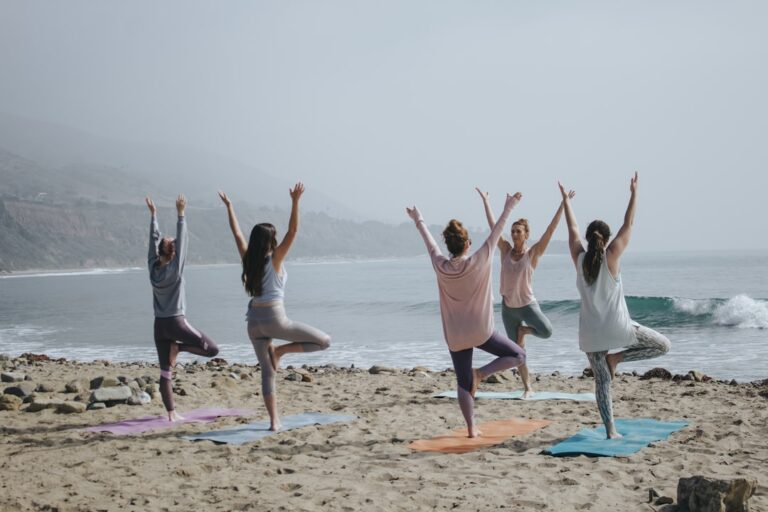
Practices such as mindfulness meditation, yoga, and breathwork have moved from niche spiritual practices to mainstream wellness activities. The adoption of these practices, often facilitated by dedicated apps, classes, and retreats, signifies a commitment to mental resilience and emotional regulation. The ability to dedicate time and resources to such practices can communicate a capacity for introspection and self-improvement, often associated with a higher quality of life.
Therapy and Coaching Services
Seeking professional support for mental health, whether through psychotherapy or life coaching, has shed much of its historical stigma. Instead, engaging with these services can now be seen as a proactive and intelligent approach to personal growth and emotional well-being. The financial investment in such services, combined with the willingness to engage in self-exploration, subtly communicates a prioritization of mental fortitude and self-awareness.
Critiques and Consequences
While the wellness economy offers numerous opportunities for individuals to improve their health, it is not without its ethical and social implications. The inherent focus on aspirational consumption can exacerbate existing inequalities and foster unrealistic expectations, potentially leading to anxiety and feelings of inadequacy.
Exclusion and Accessibility
A significant critique of the wellness economy centers on its inherent exclusivity. Many premium wellness products and services are financially inaccessible to large segments of the population. This creates a dichotomy where optimal health, framed as a lifestyle choice, becomes a privilege of the affluent, reinforcing existing social disparities. The messaging often implies that those who do not engage in these practices are either uninformed or lack the requisite discipline, overlooking socio-economic barriers.
The Pursuit of Perfection
The relentless pursuit of an idealized state of health, fueled by aspirational imagery and marketing, can contribute to feelings of inadequacy and anxiety. Constant exposure to seemingly perfect wellness routines and physiques on social media can foster unhealthy comparisons and a sense of “not being enough.” This can transform the pursuit of well-being from a positive endeavor into a source of stress and self-criticism, undermining the very goals of wellness.
Authenticity and Commercialization
There is an ongoing debate regarding the authenticity of certain wellness practices when they become heavily commercialized. The transformation of traditionally holistic or spiritual practices into profit-driven industries can strip them of their original intent and efficacy. The emphasis shifts from genuine personal growth to the consumption of products and services, raising questions about the true value and long-term impact of such commodification. The risk of superficial engagement, driven by external validation rather than internal conviction, remains prevalent.
In conclusion, the wellness economy has firmly established health and well-being as significant markers of lifestyle status. This phenomenon is driven by a complex interplay of increased health consciousness, the pervasive influence of digital platforms, and the strategic commodification of various health-related products and services. While it offers avenues for personal improvement and increased awareness, it also raises critical questions about accessibility, the pressure to conform to idealized standards, and the potential for the co-option of genuine well-being practices for commercial gain. Understanding this intricate dynamic is crucial for appreciating the broader societal implications of health’s elevation to a status symbol.
FAQs
What is the new wellness economy?
The new wellness economy refers to the increasing trend of people incorporating health and wellness into their lifestyle as a status symbol. This includes spending on products and services related to fitness, nutrition, mental health, and self-care.
How is health becoming a status symbol?
Health is becoming a status symbol as people are increasingly valuing and showcasing their physical and mental well-being as a sign of success and social status. This can be seen through the popularity of fitness trends, healthy eating habits, and mindfulness practices.
What are some examples of health-related status symbols?
Examples of health-related status symbols include luxury gym memberships, high-end athleisure wear, organic and locally-sourced food products, wellness retreats, and expensive fitness gadgets and equipment.
How does the wellness economy impact consumer behavior?
The wellness economy impacts consumer behavior by influencing spending habits towards products and services that promote health and well-being. Consumers are willing to invest in items that align with their wellness goals and contribute to their perceived status.
What are the implications of health as a lifestyle status symbol?
The implications of health as a lifestyle status symbol include the potential for increased social pressure to conform to certain health standards, the commodification of wellness, and the widening gap in access to health-related resources based on socioeconomic status.