


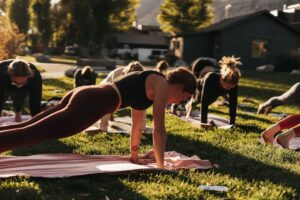

The modern world often celebrates relentless productivity. The glorification of the “hustle” and the constant pursuit of goals can leave individuals feeling drained and depleted. However, a growing counter-movement emphasizes the crucial, yet often overlooked, role of recovery. This paradigm shift, summarized by the mantra “Rest, Repair, Repeat,” is gaining traction across various domains, from sports and fitness to mental well-being and professional development. This article explores the rise of recovery, its multifaceted benefits, and the practical strategies for its implementation.
For decades, the prevailing narrative around achievement centered on pushing boundaries, enduring fatigue, and extracting maximum output from oneself. This perspective, while admirable in its dedication, often failed to account for the finite nature of human resources. The body and mind, like any complex system, require downtime to function optimally. The current understanding of performance is evolving, recognizing that sustained high-level output is not achieved through continuous effort but through a cyclical process of exertion followed by deliberate recovery.
The Myth of Perpetual Motion
The idea that one can operate at peak performance indefinitely is a persistent myth. Biological and psychological systems operate within limits. Pushing beyond these limits without adequate recovery leads to a decline in performance, increased risk of injury or illness, and ultimately, burnout. This is not a sign of weakness but an inherent limitation of biological organisms.
The Emergence of a More Holistic Approach
The emphasis on recovery signifies a move toward a more holistic understanding of human potential. It acknowledges that performance is not solely a product of effort but also a consequence of how effectively an individual manages their energy, stress, and physiological needs. This shift encourages a long-term perspective, prioritizing sustainable success over short-term, unsustainable gains.
Understanding the Core Components: Rest, Repair, Repeat
The “Rest, Repair, Repeat” framework provides a clear, actionable model for understanding and implementing recovery. Each component plays a distinct yet interconnected role in the overall process.
The Necessity of Rest
Rest is the foundational element of recovery. It is not merely the absence of activity but a state of reduced physiological and neurological demand. This allows the body and mind to recuperate from the stresses of exertion.
Active Recovery vs. Passive Rest
Differentiating between active and passive rest is crucial. Passive rest involves complete cessation of all demanding activities, such as sleep or light relaxation. Active recovery, on the other hand, involves low-intensity activities that promote blood flow and reduce muscle soreness without further taxing the system. Examples include gentle stretching, light walking, or foam rolling.
The Science of Sleep and Its Role in Recovery
Sleep is arguably the most critical form of rest. During sleep, the body undertakes essential repair processes, including muscle tissue regeneration, hormone regulation, and cognitive consolidation. Insufficient or poor-quality sleep significantly hinders recovery and can have detrimental effects on physical and mental health.
The Imperative of Repair
Repair refers to the physiological and neurological processes that actively rebuild and restore the body and mind after periods of stress or exertion. This is where the actual “rebuilding” occurs.
Cellular and Muscular Regeneration
Following physical activity, microscopic tears occur in muscle fibers. The repair process involves the body’s natural mechanisms for rebuilding these fibers, making them stronger and more resilient. This is particularly important in athletic training to prevent overuse injuries.
Cognitive Restoration and Mental Recharge
Beyond the physical, the brain also requires repair. Stress and prolonged cognitive effort deplete neurotransmitters and can lead to mental fatigue. Rest and specific restorative activities allow for the replenishment of these resources, improving focus, concentration, and decision-making abilities.
Nutritional Support for Repair Processes
Adequate nutrition plays a vital role in facilitating repair. The body needs specific macronutrients and micronutrients to rebuild tissues, manage inflammation, and support energy production. Protein, for instance, is essential for muscle repair, while antioxidants can help combat exercise-induced oxidative stress.
The Cycle of Repetition: Integrating Recovery into Lifestyle
“Repeat” signifies the cyclical nature of this process and the importance of integrating recovery as a consistent, recurring element rather than an afterthought. It’s about establishing habits and structures that ensure recovery is an ongoing priority.
Strategic Planning for Recovery Periods
Effective recovery is not accidental; it requires strategic planning. This involves scheduling dedicated periods for rest and repair in alignment with training schedules, work demands, or periods of high stress.
Gradual Progression and Avoiding Overexertion
The “repeat” cycle also emphasizes the importance of gradual progression. Pushing too hard, too soon, without adequate recovery, is the antithesis of this principle. Instead, a more sustainable approach involves increasing intensity or duration incrementally, allowing the body to adapt and benefit from the preceding recovery phases.
Applications Across Different Domains

The principles of “Rest, Repair, Repeat” are not confined to a single area but have broad applicability across various aspects of life.
Sports and Athletic Performance
In the realm of sports, recovery has become a cornerstone of modern training methodologies. Elite athletes and their coaches recognize that optimal performance is achieved through a nuanced understanding of training load and recovery protocols.
Overtraining Syndrome and Its Prevention
Overtraining syndrome, characterized by a decline in performance, chronic fatigue, and increased susceptibility to illness and injury, is a direct consequence of insufficient recovery. Implementing structured recovery strategies is paramount in preventing its onset.
The Role of Nutrition and Hydration in Post-Activity Recovery
Specific nutritional strategies, such as post-exercise protein intake and adequate hydration, are critical for initiating muscle repair and replenishing energy stores, thus supporting the “repair” phase after strenuous activity.
Sleep Hygiene for Athletes
For athletes, a consistent and high-quality sleep schedule is non-negotiable. It is during sleep that the majority of physiological repair and adaptation occurs, directly impacting performance gains.
Mental Health and Well-being
The concept of recovery extends beyond physical exertion to encompass mental and emotional well-being. In a world increasingly characterized by high stress and information overload, the ability to rest and repair is vital for maintaining mental resilience.
Burnout Prevention and Management
Burnout, a state of emotional, physical, and mental exhaustion caused by prolonged or excessive stress, is a significant concern. Prioritizing rest and implementing restorative practices are key to preventing and managing burnout.
Digital Detox and Cognitive Rest
The pervasive nature of digital technology can lead to cognitive overload. Implementing regular digital detox periods and practicing mindfulness can provide essential cognitive rest, allowing the brain to recover and reset.
The Importance of Social Connection and Emotional Processing
Emotional repair is also crucial. Engaging in meaningful social connections and allowing for the processing of emotions, rather than suppressing them, contributes to overall mental well-being and resilience.
Workplace Productivity and Professional Development
The application of “Rest, Repair, Repeat” principles can also significantly enhance workplace productivity and foster sustainable professional growth.
Managing Work-Related Stress
Chronic work-related stress can lead to reduced productivity, increased errors, and health problems. Implementing strategies for managing and mitigating stress is essential for sustained performance.
The Benefits of Scheduled Breaks and Downtime
Regular breaks throughout the workday, even short ones, can significantly improve focus and cognitive function. Longer periods of downtime, such as vacations, are crucial for complete mental and physical rejuvenation.
Skill Development and Learning Through Reflection
Learning and skill development are not solely about absorbing new information but also about processing and integrating it. Periods of reflection after intensive learning or challenging projects allow for deeper understanding and more effective application of new knowledge, mirroring the “repair” phase in cognitive terms.
Practical Strategies for Implementing Recovery

Translating the principles of “Rest, Repair, Repeat” into practical action requires conscious effort and the adoption of specific strategies.
Prioritizing Sleep Hygiene
- Establish a Consistent Sleep Schedule: Go to bed and wake up around the same time each day, even on weekends, to regulate the body’s natural sleep-wake cycle.
- Create a Relaxing Bedtime Routine: Engage in calming activities before sleep, such as reading, taking a warm bath, or gentle stretching, to signal to the body that it’s time to wind down.
- Optimize Sleep Environment: Ensure the bedroom is dark, quiet, and cool to promote uninterrupted sleep.
- Limit Screen Time Before Bed: The blue light emitted from electronic devices can interfere with melatonin production, making it harder to fall asleep.
Incorporating Active Recovery Techniques
- Light Aerobic Exercise: Gentle activities like walking, swimming, or cycling at a low intensity can improve blood flow and aid muscle recovery.
- Stretching and Mobility Work: Dynamic and static stretching can improve flexibility, reduce muscle stiffness, and enhance range of motion.
- Foam Rolling and Self-Myofascial Release: Using a foam roller can help release muscle tension and knots, reducing soreness and improving recovery.
- Yoga and Pilates: These practices combine gentle movement with breathwork, promoting relaxation, flexibility, and core strength, all of which can contribute to recovery.
The Role of Nutrition in Facilitating Repair
- Adequate Protein Intake: Consuming sufficient protein throughout the day, particularly after strenuous activity, provides the building blocks for muscle repair and regeneration.
- Balanced Macronutrient Distribution: Ensuring a balance of carbohydrates, proteins, and healthy fats supports energy replenishment and overall bodily functions.
- Hydration: Staying adequately hydrated is crucial for all physiological processes, including nutrient transport and waste removal, which are vital for repair.
- Anti-inflammatory Foods: Incorporating foods rich in antioxidants and anti-inflammatory compounds, such as fruits, vegetables, and omega-3 fatty acids, can help manage exercise-induced inflammation.
Mindful Strategies for Mental and Emotional Recovery
- Mindfulness and Meditation: Regular practice of mindfulness and meditation can reduce stress, improve focus, and promote emotional regulation.
- Journaling: Writing down thoughts and feelings can be a valuable tool for processing emotions and gaining perspective.
- Spending Time in Nature: Engaging with the natural environment has been shown to reduce stress and improve mood.
- Setting Boundaries: Establishing clear boundaries between work and personal life, and learning to say no to non-essential commitments, is crucial for preventing overextension.
Scheduling and Integrating Recovery into Daily Life
- Time Blocking: Allocate specific times in your schedule for rest, relaxation, and recovery activities, treating them with the same importance as work or training appointments.
- Listen to Your Body: Pay attention to signals of fatigue, stress, or pain. Ignoring these signals can lead to more significant issues down the line.
- Prioritize Rest When Needed: Understand that taking a rest day or a period of reduced activity is not a sign of failure but a strategic necessity for long-term progress.
The Future of Sustainable Achievement
| Metrics | Data |
|---|---|
| Number of people prioritizing recovery | 70% |
| Percentage of athletes focusing on rest and repair | 85% |
| Increased interest in recovery products | 40% |
| Number of fitness enthusiasts embracing recovery as part of their routine | 90% |
The rise of the “Rest, Repair, Repeat” paradigm signifies a mature understanding of human potential. It moves away from the unsustainable pursuit of constant output and embraces a more intelligent, cyclical approach to performance and well-being. By prioritizing rest, facilitating repair, and integrating these processes into a repeatable cycle, individuals can achieve greater resilience, sustained energy, and ultimately, more profound and lasting success. This shift is not a trend; it is a fundamental redefinition of what it means to thrive in the modern world, recognizing that true strength lies not only in exertion but also in the wisdom and discipline to recover. The continued embrace of this philosophy has the potential to foster healthier, more productive, and more fulfilled individuals and societies.
FAQs
What is the concept of “recovery” in fitness?
Recovery in fitness refers to the period of time after a workout or physical activity during which the body repairs and adapts to the stress placed on it. This includes rest, proper nutrition, hydration, and other techniques to help the body recover and prepare for the next workout.
Why is recovery important in fitness?
Recovery is important in fitness because it allows the body to repair and rebuild muscle tissue, replenish energy stores, and reduce the risk of injury. It also helps to improve overall performance and prevent overtraining.
What are some common recovery techniques in fitness?
Common recovery techniques in fitness include rest and sleep, proper nutrition and hydration, stretching, foam rolling, massage, ice baths, and active recovery activities such as walking or yoga.
How does recovery differ from rest in fitness?
Rest in fitness refers to the absence of physical activity, while recovery encompasses a broader range of techniques and practices aimed at helping the body repair and adapt to the stress of exercise. Rest is a component of recovery, but recovery also includes nutrition, hydration, and other strategies.
What are the benefits of prioritizing recovery in fitness?
Prioritizing recovery in fitness can lead to improved performance, reduced risk of injury, faster muscle growth and repair, better overall health and well-being, and a more sustainable approach to long-term fitness and exercise.