

The practice of yoga, originating from ancient India, encompasses a broad spectrum of physical postures (asanas), breathing techniques (pranayama), and meditation (dhyana). Far from being solely a form of exercise, yoga is a holistic discipline that aims to harmonize mind, body, and spirit. Its transformative power lies in its ability to systematically address various aspects of an individual’s well-being, offering a path towards greater physical vitality, mental clarity, and emotional equilibrium. Over millennia, yoga has evolved, adapting to diverse cultural contexts while retaining its core principles. Today, it is practiced globally by millions, serving as a potent tool for personal development and a buffer against the stresses of modern life. Examining the multifaceted impact of yoga reveals its profound capacity for positive change in individuals.
Yoga’s physical dimension, centered around asana practice, acts as a powerful catalyst for bodily well-being. The carefully sequenced movements and sustained postures engage multiple muscle groups, promoting strength, flexibility, and balance. Unlike many forms of exercise that focus on isolated muscle development or cardiovascular intensity, yoga cultivates a more integrated approach to physical fitness.
Increased Flexibility and Range of Motion
The sustained stretching inherent in yoga postures gradually lengthens muscle fibers and connective tissues. Think of your body as a complex system of interconnected springs; with regular yoga, these springs become less rigid and more pliable. This increased suppleness translates to a wider range of motion in the joints, making everyday activities feel easier and reducing the likelihood of injury.
Articulating the Joints
Specific poses, such as the cat-cow stretch or the downward-facing dog, actively encourage joint articulation. These movements involve the cyclical expansion and contraction of the synovial fluid within joint capsules, which nourishes the cartilage and improves lubrication. This proactive approach to joint health can be particularly beneficial for individuals experiencing stiffness or early signs of osteoarthritis.
Lengthening Hamstrings and Hip Flexors
Tight hamstrings and hip flexors are common ailments in sedentary populations, leading to postural imbalances and lower back pain. Poses like the forward fold (uttanasana) and pigeon pose (eka pada rajakapotasana) systematically target these areas, promoting a release of tension and restoring a more natural alignment of the pelvis and spine.
Enhanced Muscular Strength and Endurance
While often perceived as purely stretching, yoga also builds significant muscular strength. Holding poses for extended periods, even those that appear simple, requires the engagement of stabilizer muscles that are often underutilized in other activities.
Core Strength Development
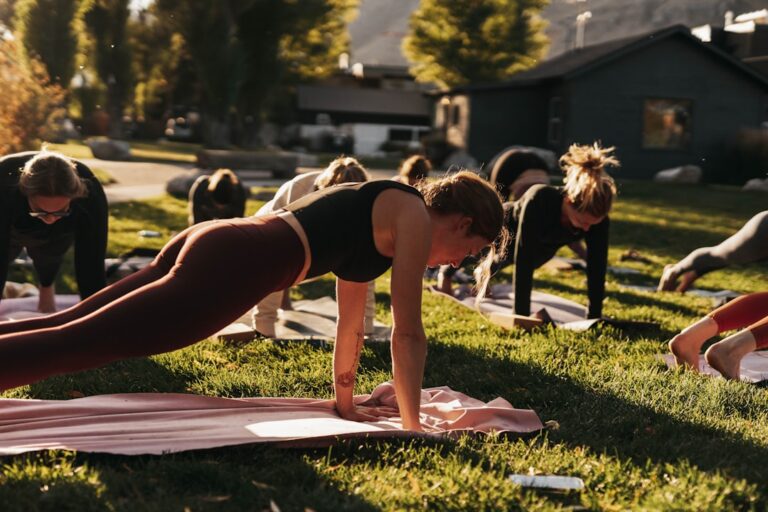
A strong core is fundamental to overall physical health and stability. Many yoga postures inherently demand the activation of the abdominal and back muscles to maintain balance and support the spine. Poses like the plank (phalakasana) and boat pose (paripurna navasana) are excellent examples of how yoga builds this essential base.
Upper and Lower Body Toning
From the strength required to hold a handstand (adho mukha vrksasana) to the endurance built in poses like warrior II (virabhadrasana II), yoga provides a comprehensive workout for the entire musculature. This consistent engagement leads to improved muscle tone and a more resilient physique.
Improved Posture and Spinal Health
Poor posture is a pervasive issue in the modern world, often a consequence of prolonged sitting and screen time. Yoga directly counteracts these tendencies by strengthening the muscles that support the spine and promoting greater awareness of bodily alignment.
Counteracting Rounded Shoulders
Poses like cobra (bhujangasana) and upward-facing dog (urdhva mukha svanasana) help to open the chest and strengthen the upper back muscles, actively counteracting the tendency for the shoulders to round forward.
Promoting Spinal Elongation
Regular spinal twists and forward folds, when performed with proper technique, gently decompress the vertebral discs, allowing for greater space and reducing pressure on the nerves. This can alleviate chronic back pain and improve overall spinal mobility.
Cardiovascular Benefits
While not typically as intense as high-impact aerobic exercise, certain styles of yoga, such as Vinyasa or Ashtanga, can provide significant cardiovascular benefits. The continuous flow between poses elevates the heart rate, improving circulation and enhancing oxygen delivery throughout the body.
Increased Blood Circulation
The movement and breath coordination in yoga facilitate an improved flow of blood and lymph throughout the body. This enhanced circulation aids in the removal of toxins and the delivery of essential nutrients to cells, promoting overall systemic health.
Lowering Blood Pressure
Studies have indicated that regular yoga practice can contribute to a reduction in blood pressure. The combination of physical activity, deep breathing, and stress reduction inherent in yoga creates a physiological state conducive to cardiovascular health.
If you’re interested in exploring the benefits of yoga further, you might find this related article on the importance of mindfulness in yoga practice particularly insightful. It delves into how incorporating mindfulness techniques can enhance your yoga experience and overall well-being. You can read more about it here: Importance of Mindfulness in Yoga.
Mental Clarity and Cognitive Function
The benefits of yoga extend far beyond the physical realm, profoundly impacting mental acuity and cognitive function. The practice cultivates a state of focused attention and encourages a detachment from distracting thoughts, leading to improved concentration and a calmer mind.
Enhanced Focus and Concentration
Yoga demands present moment awareness. As you move through poses and synchronize your breath, your attention is naturally drawn to the sensations within your body and the rhythm of your inhalation and exhalation. This consistent practice of bringing the mind back to the present moment acts like a mental muscle exercise.
Training the Attentional Network
Neuroscientific research suggests that regular meditation and mindfulness practices, integral components of yoga, can modify brain structures associated with attention. This can lead to an improved ability to sustain focus on tasks and resist distractions.
Reduced Mind Wandering
The “monkey mind,” characterized by a constant stream of unrelated thoughts, is a common experience. Yoga provides tools and techniques to observe these thoughts without immediately engaging with them, allowing for a greater sense of mental control and reducing the tendency for the mind to wander aimlessly.
Stress Reduction and Emotional Regulation
One of the most widely recognized benefits of yoga is its efficacy in mitigating stress. The practice activates the parasympathetic nervous system, the body’s natural relaxation response, counteracting the effects of the chronic stress that can be detrimental to well-being. As a pilot navigates through turbulent skies, yoga offers a way to stabilize the internal emotional climate.
Lowering Cortisol Levels
Cortisol, often referred to as the stress hormone, can have detrimental effects on physical and mental health when chronically elevated. Yoga practice, through its calming and centering effects, has been shown to reduce cortisol levels, promoting a sense of ease.
Increased Resilience to Stressors
By regularly engaging in practices that promote relaxation and self-awareness, individuals develop a greater capacity to cope with life’s challenges. Yoga builds a reservoir of calm that can be tapped into when faced with stressful situations.
Cultivating Emotional Awareness
The introspective nature of yoga encourages a deeper understanding of one’s emotional landscape. By observing bodily sensations and mental reactions during practice, one can gain valuable insights into the triggers and patterns of their emotional responses.
Improved Memory and Cognitive Performance
Emerging research suggests a positive correlation between yoga practice and enhanced cognitive abilities, including memory and executive function. The combination of physical movement, mindful focus, and breathwork appears to stimulate neural pathways involved in learning and recall.
Neuroplasticity and Brain Connectivity
The brain is not static; it possesses the ability to reorganize itself by forming new neural connections. Yoga’s engagement of multiple brain regions and its promotion of relaxation are thought to foster neuroplasticity, leading to improved cognitive flexibility.
Enhanced Learning Capabilities
By reducing mental clutter and improving focus, yoga can create an optimal internal environment for learning. When the mind is clear and attentive, the capacity to absorb and retain new information is significantly enhanced.
Emotional Balance and Well-being
Yoga provides a powerful framework for cultivating emotional stability and fostering a deeper sense of inner peace. The practice encourages individuals to become more attuned to their internal states, leading to a more balanced and resilient emotional experience.
Cultivating Self-Awareness
The journey of yoga is fundamentally a journey inward. As practitioners become more familiar with the physical sensations, thoughts, and emotions that arise during their practice, they develop a heightened sense of self-awareness. This introspection is the bedrock upon which emotional growth is built.
Recognizing Emotional Patterns
Through consistent observation during yoga, individuals begin to identify recurring emotional patterns and their corresponding physical manifestations. This recognition is the first step towards conscious change.
Understanding Bodily Wisdom
The body is a rich source of information. Yoga teaches practitioners to listen to their bodies, understanding the subtle cues that indicate stress, tension, or emotional distress. This embodied wisdom is crucial for well-being.
Developing Emotional Resilience
Life invariably presents challenges that can test one’s emotional fortitude. Yoga equips individuals with the tools to navigate these difficulties with greater equanimity. It is akin to building a strong foundation that can withstand the storms of life.
Managing Anxiety and Depression
Yoga’s ability to calm the nervous system, promote mindfulness, and foster a sense of connection can be highly beneficial for individuals experiencing anxiety and depression. The physical release of tension also contributes to a feeling of lightness.
Transforming Negative Emotions
Rather than suppressing negative emotions, yoga encourages their acknowledgment and gentle transformation. By observing these feelings without judgment, their power to overwhelm is diminished, and space is created for more positive states to emerge.
Fostering a Sense of Inner Peace
The culmination of increased self-awareness, emotional regulation, and stress reduction is a profound sense of inner peace. This is not an absence of challenges, but rather a stable internal landscape from which to face them.
Cultivating Contentment
Through the practice of mindfulness and gratitude, often incorporated into yoga, individuals can develop a greater sense of contentment with their present circumstances, regardless of external factors.
Experiencing Stillness Within
Despite the physical movements involved, yoga ultimately aims to guide practitioners towards the stillness that exists within the mind. This inner quietude is a source of profound peace and clarity.
Spiritual Connection and Personal Growth
For many, the practice of yoga extends into the realm of spiritual exploration and personal growth. While not necessarily tied to any specific religious doctrine, yoga offers a path towards a deeper understanding of oneself and one’s place in the universe. It serves as a compass, guiding individuals towards their inner North Star.
Exploring the “Self”
Yoga encourages introspection and self-inquiry, prompting individuals to look beyond the superficial layers of identity and connect with their deeper essence. This exploration can lead to a more authentic and fulfilling existence.
Understanding the Ego
Through the observational aspect of yoga, practitioners can begin to discern the limitations of the ego and its role in shaping perceptions. This awareness facilitates a detachment from excessive self-concern.
Cultivating Self-Compassion
As self-awareness deepens, so too does the capacity for self-compassion. Recognizing one’s imperfections and struggles with kindness is a significant aspect of spiritual unfolding.
Developing a Sense of Purpose
By fostering clarity of mind and emotional balance, yoga can help individuals to identify their values, passions, and ultimately, their life purpose. The quieting of external noise allows the inner voice to be heard.
Aligning Actions with Values
When one has a clear understanding of their values, they are better equipped to make choices that are congruent with them. This alignment leads to a sense of integrity and fulfillment.
Contributing to the Greater Good
A sense of purpose often involves a desire to contribute positively to the world. Yoga can foster this outward-looking perspective, encouraging individuals to engage in activities that benefit others.
The Concept of Union
The very word “yoga” derives from the Sanskrit root “yuj,” meaning “to unite” or “to join.” This unification can be interpreted on multiple levels: the union of mind and body, the union of the individual self with the universal consciousness, or the union of all beings.
Interconnectedness of All Things
Through contemplative aspects of yoga, one can develop a profound sense of interconnectedness with all living beings and the natural world. This fosters empathy and a sense of responsibility.
transcending Dualities
Yoga encourages the practitioner to move beyond perceived dualities, such as good and evil, pleasure and pain, or self and other. By recognizing the underlying unity, a more holistic and compassionate perspective emerges.
Yoga has gained immense popularity for its numerous physical and mental health benefits, making it a valuable practice for individuals seeking balance in their lives. For those interested in exploring how different wellness practices can enhance their overall well-being, a related article discusses the importance of legal support in various life challenges, which can also impact mental health. You can read more about this in the article on winning your lemon law case with an attorney. Integrating such knowledge can help create a more harmonious lifestyle, where both physical and legal wellness are prioritized.
Accessibility and Adaptability
| Yoga Style | Focus | Average Session Length | Difficulty Level | Benefits |
|---|---|---|---|---|
| Hatha Yoga | Basic postures and breathing | 45-60 minutes | Beginner | Improves flexibility, reduces stress |
| Vinyasa Yoga | Flowing movements and breath | 60 minutes | Intermediate | Builds strength, enhances endurance |
| Ashtanga Yoga | Powerful, fast-paced sequences | 90 minutes | Advanced | Increases stamina, detoxifies body |
| Bikram Yoga | Hot room, fixed sequence | 90 minutes | Intermediate to Advanced | Improves flexibility, promotes sweating |
| Yin Yoga | Long-held passive poses | 60-90 minutes | Beginner to Intermediate | Enhances joint mobility, calms mind |
| Restorative Yoga | Relaxation and recovery | 30-60 minutes | All levels | Reduces stress, aids healing |
A significant aspect of yoga’s transformative power lies in its remarkable adaptability. It is a practice that can be molded to suit individuals of all ages, physical conditions, and life circumstances. This inclusivity ensures that its benefits are available to a broad spectrum of the population.
Yoga for All Ages
From young children developing foundational movement skills to seniors maintaining mobility and balance, yoga offers age-appropriate practices. Gentle modifications and specialized classes cater to the unique needs of different age groups.
Building Healthy Habits in Youth
Introducing yoga to children can instill healthy physical habits, improve focus, and foster emotional intelligence from an early age, laying the groundwork for lifelong well-being.
Maintaining Vitality in Later Life
For older adults, yoga can be instrumental in preserving flexibility, strength, and balance, reducing the risk of falls and enhancing overall quality of life.
Modifications for Physical Conditions
Yoga is not a one-size-fits-all practice. Through careful instruction and appropriate modifications, individuals with injuries, chronic pain, or disabilities can safely engage in yoga and reap its benefits.
Therapeutic Yoga
Specialized therapeutic yoga approaches focus on addressing specific physical ailments through customized sequences, guided by trained practitioners.
Chair Yoga
For those with limited mobility, chair yoga offers a safe and effective way to experience the benefits of yoga, utilizing a chair for support and stability.
Diverse Styles of Yoga
The vast array of yoga styles available caters to diverse preferences and needs. Whether seeking a vigorous physical challenge, a deeply meditative experience, or a gentle restorative practice, there is likely a style of yoga that resonates.
Vinyasa Yoga
Characterized by its flowing movements synchronized with breath, Vinyasa offers a dynamic and cardiovascularly engaging practice.
Hatha Yoga
A more traditional and foundational style, Hatha yoga typically involves holding poses for longer durations, focusing on alignment and breath awareness.
Restorative Yoga
This gentle style utilizes props to support the body in passive stretches, promoting deep relaxation and stress reduction.
Kundalini Yoga
Focusing on breathwork, chanting, meditation, and specific postures, Kundalini yoga aims to awaken energy within the body.
The transformative power of yoga is not a mystical assertion but a demonstrable reality grounded in its holistic approach to human well-being. By systematically addressing the physical, mental, emotional, and even spiritual dimensions of an individual, yoga offers a potent pathway towards profound personal growth and enduring vitality. Its accessibility and adaptability ensure that this ancient practice remains a relevant and powerful tool for navigating the complexities of contemporary life.
FAQs
What is yoga?
Yoga is an ancient practice that originated in India, combining physical postures, breathing exercises, meditation, and ethical principles to promote physical, mental, and spiritual well-being.
What are the main types of yoga?
The main types of yoga include Hatha Yoga (focus on physical postures), Vinyasa Yoga (flowing movements), Ashtanga Yoga (structured sequences), Kundalini Yoga (spiritual energy awakening), and Iyengar Yoga (alignment-focused).
What are the health benefits of practicing yoga?
Yoga can improve flexibility, strength, balance, and posture. It also helps reduce stress, anxiety, and depression, enhances respiratory function, and supports cardiovascular health.
Is yoga suitable for beginners?
Yes, yoga is suitable for beginners. Many styles offer beginner-friendly classes, and poses can be modified to accommodate different fitness levels and physical limitations.
How often should one practice yoga for best results?
Practicing yoga 3 to 5 times a week is generally recommended for noticeable physical and mental benefits, though even short daily sessions can be effective.