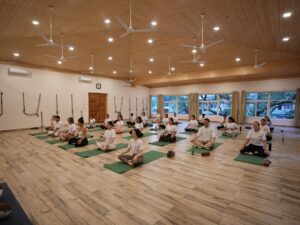


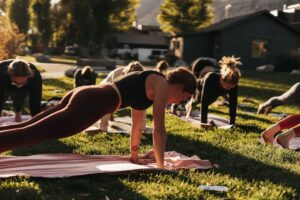

In the pursuit of a fulfilling existence, health and wellness stand as foundational pillars. This article elucidates practical strategies for cultivating a balanced life, encompassing physical, mental, and emotional well-being. It serves as a guide, providing actionable insights for individuals seeking to optimize their overall health.
Physical health forms the bedrock upon which a vibrant life is built. It is akin to maintaining a complex, high-performance machine; without proper fuel and regular maintenance, its efficacy diminishes.
Fueling the Body: Principles of Healthy Eating
Optimal nutrition is paramount for bodily function, energy production, and disease prevention. The adage “you are what you eat” holds significant truth.
Macronutrients and Micronutrients: The Building Blocks
- Macronutrients: These are essential nutrients required in large quantities, providing energy and supporting structural integrity. They include carbohydrates, proteins, and fats. A balanced intake of complex carbohydrates (whole grains, vegetables), lean proteins (fish, poultry, legumes), and healthy fats (avocado, nuts, olive oil) is crucial.
- Micronutrients: These are vitamins and minerals, needed in smaller amounts but vital for numerous physiological processes, ranging from immune function to nerve transmission. They are abundant in fresh fruits, vegetables, and fortified foods.
- Hydration: Water is a fundamental solvent and transport medium within the body. Adequate hydration is essential for temperature regulation, nutrient absorption, and waste removal. The recommended daily intake varies, but generally, eight glasses of water per day is a sound target.
Dietary Patterns: Beyond the Daily Meal
Focusing on sustainable dietary patterns rather than restrictive diets yields long-term benefits.
- Mediterranean Diet: This dietary pattern emphasizes plant-based foods, healthy fats (especially olive oil), fish, and moderate consumption of dairy and red wine. It is consistently associated with reduced risk of cardiovascular disease and improved longevity.
- Plant-Based Diets: Vegetarian and vegan diets, when well-planned, can provide all necessary nutrients while offering benefits such as lower cholesterol levels and reduced risk of certain chronic diseases. Supplementation with vitamin B12 is often necessary for strict vegans.
- Mindful Eating: This practice involves paying attention to hunger and satiety cues, savoring meals, and being aware of the emotional triggers for eating. It fosters a healthier relationship with food and can prevent overconsumption.
Movement as Medicine: The Benefits of Physical Activity
Regular physical activity is indispensable for maintaining cardiovascular health, muscular strength, bone density, and metabolic function. The human body is designed for movement; prolonged sedentary behavior is detrimental.
Types of Exercise: A Holistic Approach
A comprehensive exercise regimen incorporates various forms of physical activity.
- Aerobic Exercise (Cardio): Activities such as running, swimming, cycling, and brisk walking elevate heart rate and improve cardiovascular fitness. The American Heart Association recommends at least 150 minutes of moderate-intensity aerobic activity or 75 minutes of vigorous-intensity aerobic activity per week.
- Strength Training: This involves resistance exercises using weights, resistance bands, or bodyweight to build and maintain muscle mass. Strength training is crucial for metabolism, bone health, and functional strength, especially as one ages. Two to three sessions per week targeting major muscle groups are generally recommended.
- Flexibility and Balance Training: Activities like stretching, yoga, and Tai Chi improve range of motion, reduce muscle stiffness, and enhance balance, thereby reducing the risk of falls. Incorporating these into a routine promotes overall physical resilience.
Integrating Activity into Daily Life: Overcoming Inertia
Finding opportunities for movement beyond structured workouts is key to a physically active lifestyle.
- Active Commuting: Walking or cycling to work or school.
- Stair Climbing: Opting for stairs instead of elevators or escalators.
- Breaks at Work: Incorporating short stretching or walking breaks during prolonged periods of sitting.
For those interested in the intersection of health and wellness, understanding the emotional and psychological aspects of parental rights can be crucial. A related article that delves into this topic is “Discovering Father’s Rights in Texas: How Attorneys Can Help Protect Your Parental Rights,” which discusses the legal avenues available to fathers and the importance of mental well-being during custody disputes. You can read more about it by following this link: Discovering Father’s Rights in Texas.
Cultivating a Resilient Mind: Mental and Emotional Well-being
Mental and emotional health are intrinsically linked to physical health, forming an interdependent system. Neglecting one invariably impacts the other. A robust mind can navigate life’s inevitable challenges with greater equanimity.
The Power of Mindfulness and Stress Management
In a fast-paced world, stress is an ubiquitous companion. Developing effective strategies for stress management and cultivating mindfulness is essential for preserving mental and emotional equilibrium.
Understanding Stress: Its Impact and Manifestations
Stress is the body’s natural response to perceived threats or demands. While acute stress can be beneficial, chronic stress has deleterious effects on physical and mental health.
- Physiological Effects: Chronic stress can lead to elevated blood pressure, suppressed immune function, digestive issues, and sleep disturbances. The prolonged activation of the “fight or flight” response depletes bodily resources.
- Psychological Effects: It can manifest as anxiety, irritability, difficulty concentrating, memory problems, and feelings of overwhelm. Untreated chronic stress can contribute to depression.
Techniques for Stress Reduction: Tools for Tranquility
Various techniques can help mitigate the effects of stress and promote a sense of calm.
- Mindfulness Meditation: This practice involves focusing on the present moment, observing thoughts and sensations without judgment. Regular meditation has been shown to reduce stress, improve attention, and foster emotional regulation. Beginners can start with guided meditations.
- Deep Breathing Exercises: Techniques like diaphragmatic breathing (belly breathing) activate the parasympathetic nervous system, promoting relaxation. Taking slow, deep breaths can rapidly reduce physiological stress responses.
- Nature Exposure: Spending time in natural environments (forests, parks, gardens) has demonstrated benefits for stress reduction, mood improvement, and cognitive function. This phenomenon is often referred to as “forest bathing.”
- Journaling: Expressing thoughts and feelings in writing can be a therapeutic outlet, helping to process emotions and gain perspective on stressors.
Nurturing Cognitive Function: Brain Health Strategies
Maintaining cognitive sharpness throughout life requires conscious effort. Just as physical exercise strengthens muscles, mental engagement strengthens the brain.
Mental Stimulation: Keeping the Mind Active
The brain thrives on novelty and challenge.
- Learning New Skills: Acquiring a new language, playing a musical instrument, or mastering a complex hobby stimulates neural pathways and promotes neuroplasticity.
- Puzzles and Brain Games: Engaging in activities like crosswords, Sudoku, chess, or digital brain-training games can enhance problem-solving skills, memory, and attention.
- Reading: Regularly reading diverse materials challenges the brain, expands vocabulary, and improves comprehension and critical thinking.
The Role of Sleep: Rest for the Mind
Sleep is not merely a period of inactivity; it is a vital restorative process for both body and mind. Chronic sleep deprivation significantly impairs cognitive function.
- Memory Consolidation: During sleep, the brain processes and consolidates memories from the day.
- Cognitive Repair: Sleep allows for the removal of metabolic waste products from the brain and facilitates neural network repair.
- Emotional Regulation: Adequate sleep is crucial for mood stability and the ability to cope with stress. Adults typically require 7-9 hours of quality sleep per night.
The Fabric of Belonging: Social Connections and Community
Humans are inherently social beings. Strong social connections and a sense of community are indispensable for psychological well-being and longevity, acting as a buffer against life’s adversities.
The Antidote to Isolation: Building Meaningful Relationships
Social isolation and loneliness are significant risk factors for poor health outcomes, including depression, anxiety, and even cardiovascular disease.
Fostering Connections: Steps to Engagement
- Prioritize Relationships: Actively invest time and effort in cultivating and maintaining relationships with family and friends. Regular communication, whether in person or virtually, strengthens bonds.
- Join Groups and Clubs: Participating in shared activities or interests through clubs, volunteer organizations, or community groups provides opportunities to meet like-minded individuals and expand one’s social circle.
- Be Present: When interacting with others, practice active listening and be fully engaged in the conversation. This demonstrates respect and strengthens rapport.
- Offer Support: Being a supportive friend or family member provides a sense of purpose and reciprocity, fostering deeper connections.
The Value of Giving: Contribution and Purpose
A sense of purpose and the opportunity to contribute to something larger than oneself are powerful drivers of well-being. Giving back imbues life with meaning.
Volunteering and Altruism: Beyond Self-Interest
- Community Service: Engaging in volunteer work for causes one believes in can provide a profound sense of satisfaction and connect individuals to their community. Whether helping at a local shelter, participating in environmental initiatives, or mentoring, altruistic acts boost mood and reduce feelings of isolation.
- Acts of Kindness: Simple acts of kindness, such as helping a neighbor, offering a compliment, or donating to charity, create positive ripples, benefiting both the giver and the recipient. These actions activate reward centers in the brain.
The Structure of Success: Routines and Organization
While flexibility is valuable, establishing routines and organizing one’s environment can significantly reduce cognitive load, promote efficiency, and foster a sense of control, contributing to a more balanced life.
The Power of Habit: Creating Positive Cycles
Habits are automatic behaviors that, once established, require minimal conscious effort. Leveraging this power to create positive habits can transform one’s life.
Establishing Healthy Routines: Anchors in Daily Life
- Morning Rituals: A consistent morning routine can set a positive tone for the day. This might include exercise, meditation, healthy breakfast, or reading.
- Evening Wind-Down: Establishing a calming evening routine (e.g., warm bath, reading, gentle stretching, avoiding screens) signals to the body that it’s time to prepare for sleep.
- Meal Planning: Planning meals in advance can ensure healthier food choices, reduce stress around meal preparation, and prevent impulsive unhealthy eating.
- Exercise Schedule: Designating specific times for physical activity transforms it from an intention into a regular commitment.
Order in the Environment: Reducing Clutter and Chaos
A chaotic physical environment can often reflect and contribute to a chaotic mental state. Decluttering and organizing promote clarity and reduce stress.
The Benefits of a Tidy Space: A Reflective Mind
- Reduced Distractions: A clear workspace or living area minimizes visual clutter, allowing for greater focus and productivity.
- Improved Mood: An organized environment can evoke feelings of calm and contentment, while disorganization can contribute to feelings of anxiety and overwhelm.
- Streamlined Processes: Knowing where things are located saves time and reduces frustration.
- Digital Detox: Extending organization to the digital realm (e.g., decluttering digital files, managing notifications) can reduce digital overwhelm and improve mental clarity.
In the realm of health and wellness, understanding the impact of substances like nicotine on young minds is crucial. A recent article explores the alarming effects of nicotine on adolescent brains, shedding light on how curiosity can quickly turn into addiction. This insightful piece emphasizes the importance of awareness and education in preventing such outcomes. For more information, you can read the full article here.
Lifelong Learning and Personal Growth: The Journey Continues
| Metric | Description | Average Value | Unit |
|---|---|---|---|
| Body Mass Index (BMI) | Measure of body fat based on height and weight | 18.5 – 24.9 | kg/m² |
| Resting Heart Rate | Number of heart beats per minute at rest | 60 – 100 | bpm |
| Daily Steps | Number of steps taken per day | 7,000 – 10,000 | steps |
| Sleep Duration | Average hours of sleep per night | 7 – 9 | hours |
| Water Intake | Average daily water consumption | 2 – 3 | liters |
| Blood Pressure | Average systolic/diastolic pressure | 120/80 | mmHg |
| Body Fat Percentage | Percentage of fat in the body | 18 – 24 | % |
| Cholesterol Level | Total cholesterol in the blood | < 200 | mg/dL |
A balanced life is not a static state but an ongoing journey of evolution and adaptation. Embracing lifelong learning and committing to personal growth ensures continuous self-improvement and resilience in the face of change.
Expanding Horizons: Intellectual Curiosity
The human mind thrives on exploration and discovery. Nurturing intellectual curiosity fuels personal growth and keeps the mind agile.
Engaging in Continuous Learning: A Wellspring of Knowledge
- Formal Education: Pursuing courses, workshops, or academic degrees can provide structured learning and specialized knowledge.
- Informal Learning: Reading non-fiction books, watching documentaries, listening to educational podcasts, or engaging in online learning platforms allows for self-directed learning on a vast array of subjects.
- Travel and Exploration: Experiencing new cultures, environments, and perspectives broadens one’s understanding of the world and fosters adaptability.
Self-Reflection and Introspection: Understanding the Inner Landscape
Periodically pausing for self-reflection allows individuals to assess their progress, identify areas for improvement, and realign their actions with their values.
Practices for Self-Awareness: The Inner Compass
- Journaling (Revisited): Beyond stress reduction, journaling can be a powerful tool for self-discovery, allowing for the exploration of thoughts, feelings, and beliefs over time.
- Meditation and Contemplation: These practices facilitate a deeper understanding of one’s inner workings, helping to gain insight into motivations and emotional patterns.
- Seeking Feedback: Constructive feedback from trusted friends, family, or mentors can provide valuable external perspectives on one’s strengths and areas for development.
- Defining Values: Clearly identifying one’s core values provides a framework for decision-making and ensures that actions are aligned with what truly matters.
In conclusion, achieving a balanced life is a multifaceted endeavor, requiring consistent attention to physical, mental, emotional, and social well-being. It is a continuous process of learning, adapting, and refining strategies. By diligently applying these principles – nurturing the body with proper nutrition and exercise, cultivating a resilient mind through stress management and cognitive engagement, fostering meaningful social connections, establishing supportive routines, and committing to lifelong learning – individuals can construct a robust foundation for enduring health and overall life satisfaction. This journey, though demanding, ultimately yields the profound reward of a life lived with vitality and purpose.
FAQs
What is the definition of health and wellness?
Health refers to the overall physical, mental, and social well-being of an individual, not just the absence of disease. Wellness is a broader concept that includes actively making choices and adopting lifestyles that promote optimal health in various dimensions such as physical, emotional, social, intellectual, and spiritual.
What are the key components of maintaining good health and wellness?
Key components include a balanced diet, regular physical activity, adequate sleep, stress management, avoiding harmful habits like smoking and excessive alcohol consumption, and regular medical check-ups to monitor and prevent health issues.
How does mental health contribute to overall wellness?
Mental health is a critical part of overall wellness as it affects how individuals think, feel, and behave. Good mental health helps people cope with stress, relate to others, and make healthy choices, thereby supporting physical health and quality of life.
What role does nutrition play in health and wellness?
Nutrition provides the body with essential nutrients needed for energy, growth, and repair. A well-balanced diet rich in fruits, vegetables, whole grains, lean proteins, and healthy fats supports immune function, reduces the risk of chronic diseases, and promotes overall wellness.
Why is regular physical activity important for health and wellness?
Regular physical activity helps maintain a healthy weight, strengthens the heart and muscles, improves mood and mental health, boosts energy levels, and reduces the risk of chronic diseases such as diabetes, heart disease, and certain cancers.