



The modern human is, by almost every conceivable metric, hyper-connected. From the moment consciousness dawns upon waking, often accompanied by the chime of a notification, to the late hours when screens cast their pale glow, digital interaction saturates existence. This ubiquity, while offering manifold conveniences and unprecedented access to information, has also brought with it a growing awareness of its potential downsides. The initial wave of “digital detox” movements focused on simple abstinence: turning off devices for a set period. However, as the digital world evolves with ever-increasing sophistication and integration into daily life, a more nuanced and sustainable approach is emerging. “Digital Detox 2.0” is not merely about disconnection; it’s about recalibration, mindful engagement, and fostering a healthier equilibrium between the digital and the analog.
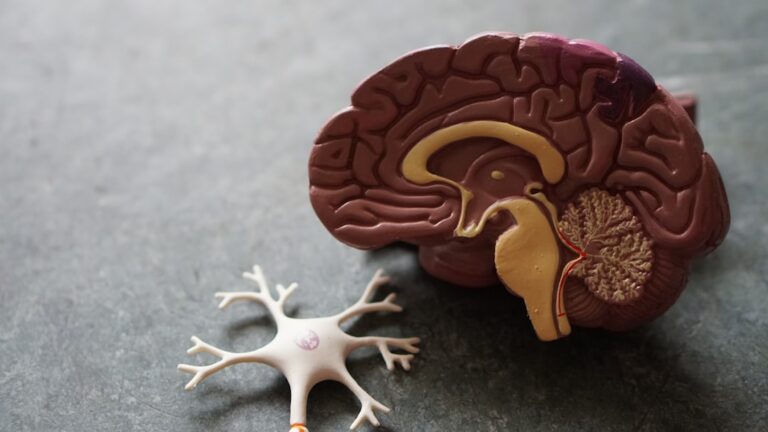
The persistent exposure to stimuli from digital devices has demonstrable effects on the human brain. Our cognitive architecture, honed over millennia of evolution, is now constantly being reshaped by the rapid-fire nature of digital interaction. This necessitates a deeper understanding of how these technologies influence our cognitive processes, emotional regulation, and even our physiological well-being.
The Dopamine Loop and Its Ramifications
The Attention Economy and Cognitive Load
The Impact on Sleep Architecture
The Erosion of Deep Work Capabilities
“Digital Detox 2.0” acknowledges these neurological shifts. It moves beyond the superficial notion of simply logging off and instead delves into the mechanisms by which digital engagement alters our brains. This understanding is the bedrock upon which effective strategies for recalibration can be built. Without recognizing the neurological underpinnings of our digital habits, any attempt at a detox, whether 1.0 or 2.0, risks being a temporary fix rather than a sustainable change. The perpetual stream of notifications, the endless scroll of social media feeds, and the instant gratification offered by many digital platforms are all designed to hijack our brain’s reward system, primarily by triggering the release of dopamine. This neural pathway, crucial for learning and motivation, becomes hyper-stimulated, leading to a craving for more digital input. The consequences are multifaceted, impacting not only our focus and productivity but also our emotional state. The constant switching between tasks and the barrage of information contribute to an elevated cognitive load, making it difficult to engage in sustained, deep thinking. This is particularly detrimental in an age that theoretically demands higher levels of creative problem-solving and critical analysis. Furthermore, the blue light emitted by screens can disrupt the production of melatonin, a hormone essential for regulating sleep cycles, leading to a deterioration in sleep quality and quantity. This, in turn, can exacerbate issues like fatigue, irritability, and impaired cognitive function.
Redefining Boundaries: From Abstinence to Adaptation
The initial approach to digital detox often felt akin to an emergency evacuation – a temporary retreat from a perceived threat. Digital Detox 2.0, however, recognizes that complete abstinence is often neither practical nor desirable. Instead, it champions the establishment of intelligent boundaries and the development of adaptive strategies that allow for meaningful engagement without succumbing to the detrimental aspects of excessive use.
Intentional Use vs. Habitual Consumption
Curated Digital Environments
Time Blocking and Scheduled Engagement
Digital Well-being Features as Tools, Not Crutches
This shift from outright avoidance to intentional interaction is central to Digital Detox 2.0. The focus moves from “how can I stop using digital devices?” to “how can I use digital devices in a way that serves my well-being and goals?”. This involves a conscious effort to disentangle habitual consumption, often driven by boredom or social pressure, from intentional use, where technology is a tool to achieve a specific purpose. Creating curated digital environments can involve aggressively filtering notifications, removing distracting apps from home screens, and utilizing features that limit access to certain content during specific times. Time blocking, a technique borrowed from productivity methodologies, can be applied to digital engagement, allocating specific periods for checking emails, engaging on social media, or consuming news, thereby preventing these activities from bleeding into other aspects of life. Furthermore, Digital Detox 2.0 encourages the judicious use of the very features designed to promote digital well-being – screen time limits, app timers, and “do not disturb” modes. These are not seen as limitations to be circumvented but as valuable tools in constructing a healthier digital life. The difference lies in the agency being exercised. Instead of passively being dictated by the algorithms and design choices of digital platforms, individuals are actively taking control, shaping their digital experience to align with their values and priorities. This requires a degree of introspection, understanding one’s personal triggers for excessive use and identifying the specific ways in which digital technologies are either serving or hindering one’s life. The goal is not to eliminate technology, but to master it, ensuring that it remains a servant to human needs rather than a master dictating behavior.
Cultivating Analog Resilience: Reclaiming Real-World Experiences

A critical component of Digital Detox 2.0 lies in the deliberate cultivation of experiences and skills that exist outside the digital realm. This is not merely about filling the void left by reduced screen time but about actively enriching one’s life with analog activities that foster well-being, creativity, and social connection.
The Power of Embodied Activities
Direct Human Interaction and Social Capital
The Rediscovery of Solitude and Introspection
Engaging the Senses Beyond the Screen
The retreat from the digital world is most impactful when coupled with a vibrant engagement with the analog. This involves more than just passively observing nature or reading a physical book; it means actively participating in activities that engage the body, mind, and senses in a tangible way. Embodied activities, such as physical exercise, gardening, cooking, or playing a musical instrument, provide a counterpoint to the often sedentary nature of digital consumption. They promote physical health, stress reduction, and a sense of accomplishment that can be more deeply felt than accumulating likes or followers. Direct human interaction, free from the mediating layer of screens, is crucial for building and maintaining strong social connections. Face-to-face conversations, shared meals, and collaborative activities foster empathy, understanding, and a sense of belonging that digital communication can rarely fully replicate. The careful cultivation of solitude, distinct from loneliness, allows for introspection, self-reflection, and the development of a stronger sense of self. It is in these quiet moments that creativity can flourish and deeper insights can be gained. Engaging the senses beyond the screen – the scent of rain, the texture of a worn book, the sound of birdsong – grounds individuals in the present moment and provides a richer, more nuanced sensory experience than the often-simplified representations found online. This deliberate re-engagement with the physical world is essential for rebalancing one’s overall well-being and for developing a more robust sense of self, independent of digital validation.
Strategic Integration: Where Digital and Analog Converge

Digital Detox 2.0 does not advocate for a perpetual state of disconnect. Instead, it proposes a strategic integration, a mindful approach where digital tools are utilized with purpose and intention, complementing rather than competing with analog experiences. This involves understanding the strengths of each domain and leveraging them synergistically.
Digital Tools for Analog Enhancement
Mindfulness in a Hyper-Connected World
The Art of Focused Digital Consumption
| Metrics | Data |
|---|---|
| Number of Participants | 200 |
| Duration of Program | 4 weeks |
| Percentage of Participants Reporting Reduced Screen Time | 85% |
| Percentage of Participants Reporting Improved Focus | 70% |
| Number of Workshops Conducted | 8 |
Creating a Personal Digital Ecosystem
The ultimate aim of Digital Detox 2.0 is not to return to a pre-digital era, but to forge a more harmonious relationship with the technologies that are now an intrinsic part of our lives. This involves identifying how digital tools can actively serve and enhance analog experiences. For instance, fitness trackers can motivate physical activity, navigation apps can facilitate exploration of new places, and online learning platforms can supplement hands-on skill development. Much of this strategy hinges on cultivating mindfulness within a hyper-connected world. This means being present in whatever activity one is engaged in, whether it is a digital interaction or an analog pursuit. It involves recognizing and resisting the urge for constant distraction and developing the capacity for sustained attention. Focused digital consumption is key – choosing to engage with digital platforms for specific, defined purposes, rather than allowing them to engulf time and attention. This might mean setting clear objectives before opening an app, limiting the scope of the interaction, and exiting deliberately once the objective is met. Ultimately, the process involves creating a personal digital ecosystem – a curated and controlled environment where digital tools are organized, utilized efficiently, and integrated seamlessly into one’s life without becoming overwhelming or detrimental. This ecosystem is dynamic, adaptable, and constantly refined based on ongoing self-assessment and evolving needs.
Long-Term Recalibration: Sustaining Healthy Digital Habits
The journey of Digital Detox 2.0 is not a finite event, but an ongoing process of recalibration and adaptation. True transformation lies in the sustained adoption of healthy digital habits that foster long-term well-being and prevent a relapse into unhealthy patterns.
Continuous Self-Assessment and Adjustment
Setting Realistic and Evolving Goals
Building a Supportive Analog Community
The Evolving Nature of Digital Well-being
The essence of Digital Detox 2.0 is the understanding that it is a continuous process of refinement. It is not a destination reached, but a journey undertaken. This necessitates ongoing self-assessment, a regular reflection on one’s digital habits, and a willingness to adjust strategies as needed. The digital landscape is in constant flux, with new technologies and platforms emerging regularly. Therefore, personal digital well-being strategies must also be dynamic and adaptable. Setting realistic and evolving goals is crucial. These goals should be specific, measurable, achievable, relevant, and time-bound (SMART), but also flexible enough to accommodate life’s inevitable changes. Building and nurturing a supportive analog community is also paramount. Having friends, family, or colleagues who understand and support the pursuit of balanced digital engagement can provide accountability and encouragement. This community can offer alternative social interactions and shared activities that reinforce the value of offline life. Finally, recognizing the evolving nature of digital well-being is important. What constitutes healthy digital engagement today may differ tomorrow. This requires an ongoing commitment to learning, experimenting, and staying informed about the potential impacts of technology on our lives. By embracing these principles, individuals can move beyond temporary periods of disconnection towards a more sustainable and fulfilling integration of the digital and analog aspects of their existence. The goal is not to escape the digital world, but to master it, ensuring that it serves as a tool for enrichment rather than a source of depletion.
FAQs
What is Digital Detox 2.0?
Digital Detox 2.0 refers to the updated approach to unplugging from digital devices and the online world in order to rewire the brain and find a healthier balance with technology.
How does Digital Detox 2.0 differ from the original concept of digital detox?
Digital Detox 2.0 builds upon the original concept of unplugging from digital devices by incorporating strategies to actively rewire the brain and establish healthier habits in an always-online world.
What are some strategies for practicing Digital Detox 2.0?
Strategies for practicing Digital Detox 2.0 may include setting specific time limits for digital device usage, engaging in mindfulness practices, prioritizing in-person interactions, and creating designated tech-free zones in the home.
What are the potential benefits of practicing Digital Detox 2.0?
Practicing Digital Detox 2.0 may lead to improved mental well-being, reduced stress and anxiety, better sleep quality, enhanced focus and productivity, and stronger connections with others.
Are there any potential challenges associated with practicing Digital Detox 2.0?
Challenges associated with practicing Digital Detox 2.0 may include feelings of FOMO (fear of missing out), initial discomfort with unplugging, and the need to establish new routines and habits.