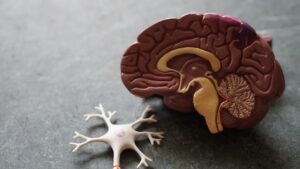




The vagus nerve, a cranial nerve extending from the brainstem down to the abdomen, plays a crucial role in regulating numerous bodily functions, including heart rate, digestion, and mood. In recent years, vagus nerve stimulation (VNS) has emerged as a promising therapeutic approach for a range of conditions, from epilepsy and depression to chronic pain and inflammatory disorders. Understanding the mechanisms by which VNS exerts its effects and exploring its therapeutic potential offers valuable insights into the body’s intricate regulatory systems and novel avenues for stress relief.
The Vagus Nerve: A Bidirectional Communication Highway
The vagus nerve, named after the Latin word for “wandering,” is the longest and most complex of the twelve cranial nerves. It forms a critical component of the parasympathetic nervous system, often referred to as the “rest and digest” system. This system counterbalances the “fight or flight” response of the sympathetic nervous system, promoting relaxation, slowing the heart rate, aiding digestion, and facilitating other restorative bodily processes. The vagus nerve’s influence extends throughout the body, connecting the brain to vital organs like the heart, lungs, and gastrointestinal tract. Crucially, communication along the vagus nerve is not unidirectional; it transmits signals both from the brain to the periphery and, importantly, from the body back to the brain. This afferent (ascending) pathway is vital for conveying information about the body’s internal state, including inflammation, gut health, and emotional cues, to the central nervous system.
The Stress Response and Vagal Tone
The body’s stress response, mediated by the sympathetic nervous system, is designed for short-term survival. When faced with a perceived threat, the body releases stress hormones like cortisol and adrenaline, leading to increased heart rate, blood pressure, and respiration. While essential for acute danger, chronic activation of the stress response can have detrimental effects on physical and mental health. A key indicator of the vagus nerve’s involvement in stress regulation is “vagal tone.” Vagal tone refers to the degree of parasympathetic nervous system activity, as reflected by heart rate variability (HRV). Higher vagal tone, characterized by greater variability in heart rate, is associated with better stress resilience, emotional regulation, and overall well-being. Conversely, low vagal tone is often observed in individuals experiencing chronic stress, anxiety, and depression. It suggests a diminished capacity for the body to effectively return to a state of calm and balance after a stressful event.
How Vagus Nerve Dysfunction Contributes to Stress
When the vagus nerve’s function is compromised, its ability to regulate the stress response becomes impaired. This can manifest in several ways. Firstly, reduced vagal tone means the parasympathetic system is less able to counteract the effects of the sympathetic nervous system, leading to a more prolonged and heightened stress response. Individuals with low vagal tone may experience a greater sensitivity to stressors, find it harder to relax, and be prone to persistent feelings of anxiety or unease. Secondly, impaired vagus nerve signaling can disrupt the feedback loop between the gut and the brain. The gut is a significant source of neurotransmitters, and the vagus nerve relays information about gut health and function to the brain. Dysregulation in this pathway can contribute to changes in mood, appetite, and even the perception of pain, all of which can exacerbate feelings of stress and contribute to a negative feedback cycle. Furthermore, inflammation, a common consequence of chronic stress, can negatively impact vagal nerve function. The inflammatory processes can damage nerve fibers or alter their signaling capabilities, further diminishing the vagus nerve’s capacity for regulation. This intricate interplay highlights how a well-functioning vagus nerve is fundamental to maintaining physiological and psychological equilibrium in the face of life’s challenges.
The Science Behind Vagus Nerve Stimulation (VNS)
Mechanisms of Action: How VNS Influences the Nervous System
Vagus nerve stimulation, in its various forms, works by directly or indirectly activating the vagus nerve. The primary mechanism involves the delivery of electrical impulses to the nerve, which then transmits these signals to the brainstem and subsequently to other brain regions involved in mood regulation, stress response, and autonomic control. These electrical signals can modulate the activity of neurotransmitters like acetylcholine, serotonin, and norepinephrine, which are crucial for regulating mood, anxiety, and arousal. Acetylcholine, a key neurotransmitter released by the vagus nerve, has anti-inflammatory effects and can help to dampen excessive sympathetic nervous system activity. By increasing vagal outflow, VNS can promote a shift towards parasympathetic dominance, effectively counteracting the physiological effects of stress.
Types of Vagus Nerve Stimulation: From Implanted Devices to Non-Invasive Methods
The application of VNS can be broadly categorized into two main approaches: invasive and non-invasive.
Invasive VNS: Implanted Devices
Invasive VNS involves the surgical implantation of a device, similar to a pacemaker, under the skin, typically in the chest. Leads from this device are then tunneled to the vagus nerve in the neck, where they deliver electrical stimulation.
Surgical Implantation Procedure
The implantation of VNS devices is a surgical procedure performed by neurosurgeons. It typically involves a general anesthetic. An incision is made in the upper chest to place the pulse generator (the battery-powered component). A second incision is made in the neck to access the vagus nerve. The lead wire from the pulse generator is then carefully threaded through tissue and connected to the vagus nerve. The device is programmed to deliver intermittent electrical pulses to the nerve, usually for a set duration and at set intervals. The frequency of stimulation, pulse width, and current intensity can be adjusted by a physician to optimize therapeutic effects and minimize side effects.
Approved Indications and Clinical Outcomes
Currently, invasive VNS is FDA-approved for the adjunctive treatment of chronic or recurrent depression that has not responded to other therapies, as well as for the management of epilepsy in patients whose seizures cannot be adequately controlled with medication. Clinical studies have demonstrated significant improvements in seizure frequency for epilepsy patients and notable reductions in depressive symptoms for individuals with treatment-resistant depression. Beyond these approved indications, research is ongoing into its potential benefits for a wider array of conditions, including chronic pain and inflammatory bowel disease.
Non-Invasive VNS: Accessible and Evolving Techniques
Non-invasive VNS aims to stimulate the vagus nerve through external means, offering a more accessible and potentially less burdensome approach compared to surgically implanted devices.
Transcutaneous Vagus Nerve Stimulation (tVNS)
Transcutaneous Vagus Nerve Stimulation (tVNS) involves applying electrical stimulation to the skin over the auricular branch of the vagus nerve, typically located in the ear.
Device Design and Application
tVNS devices are typically small, portable units that deliver low-level electrical currents through electrodes placed on specific points of the outer ear. These devices are designed for user-friendly application at home. The electrodes are often self-adhesive or integrated into earbud-like structures. The electrical stimulation is generally mild and not painful, often described as a tingling or buzzing sensation. The duration and frequency of tVNS sessions can vary depending on the device and the treatment protocol, but are typically administered for several minutes to an hour daily.
Research and Emerging Applications
While invasive VNS has established clinical applications, tVNS is a more recent development with a growing body of research exploring its therapeutic potential. Studies have investigated its efficacy in reducing anxiety, improving mood, mitigating symptoms of post-traumatic stress disorder (PTSD), and even alleviating migraine headaches. The convenience and accessibility of tVNS make it a promising option for individuals seeking non-pharmacological approaches to stress management and mental health. Researchers are actively exploring optimal stimulation parameters and identifying specific patient populations that may benefit most from this approach.
Other Non-Invasive Modalities
Beyond tVNS, other non-invasive techniques are being explored to activate the vagus nerve, reflecting the ongoing innovation in this field.
Diaphragmatic Breathing and Biofeedback
Controlled breathing techniques, particularly diaphragmatic or deep breathing exercises, are a well-established method for engaging the vagus nerve. When performed correctly, deep breathing stimulates the afferent fibers of the vagus nerve, promoting a parasympathetic response. The rhythmic expansion and contraction of the diaphragm during deep breathing directly influences heart rate variability, a marker of vagal tone. Biofeedback, often used in conjunction with breathing exercises, allows individuals to monitor physiological responses, such as heart rate and breathing patterns, in real-time. This feedback enables them to learn to consciously influence these responses, thereby enhancing their ability to activate their vagus nerve and induce a state of relaxation. By observing improvements in their physiological markers, individuals can develop a greater sense of control over their stress response.
Cold Exposure and Singing/Humming
Exposure to cold, such as a cold shower or immersing the face in cold water, has been shown to activate the vagus nerve. This physiological response is believed to be an evolutionary survival mechanism. The shock of cold triggers a rapid increase in parasympathetic activity, slowing the heart rate and promoting a calmer state. Similarly, activities such as singing, humming, and gargling can create vibrations in the throat and larynx, which can stimulate the vagus nerve. The resonant frequencies produced by these vocalizations are thought to engage the nerve, leading to a reduction in heart rate and an increase in heart rate variability. These simple, accessible techniques offer practical ways for individuals to tap into their vagal nerve’s regulatory capabilities.
Vagus Nerve Stimulation for Stress Relief: Promises and Considerations
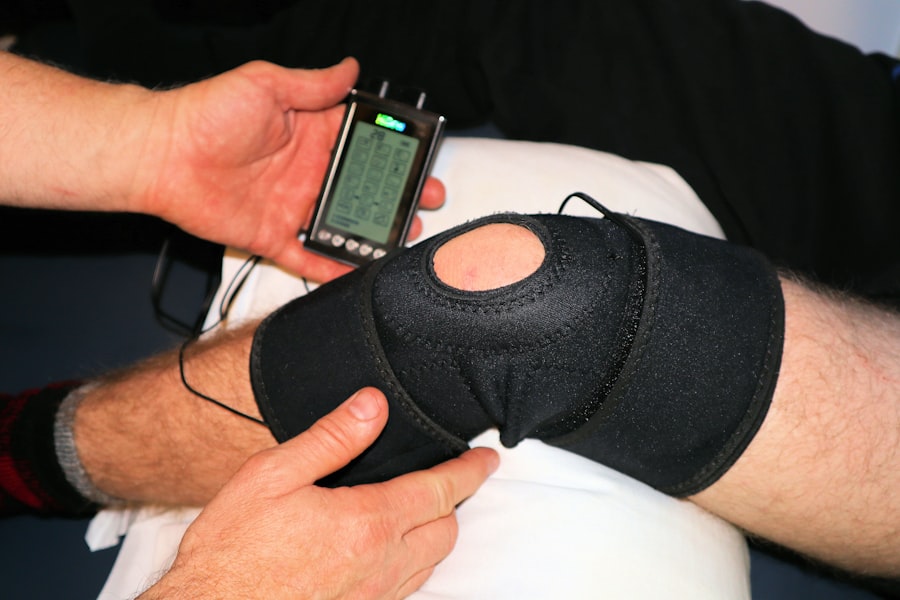
How VNS Can Impact the Stress Response Pathway
VNS, through its various modalities, intervenes in the body’s stress response by modulating the autonomic nervous system. When the body perceives a stressor, the sympathetic nervous system is activated, leading to the release of stress hormones and physiological changes characteristic of the fight-or-flight response. VNS promotes a shift towards parasympathetic dominance.
Dampening Sympathetic Overactivity
By increasing the activity of the vagus nerve, VNS effectively signals the body to slow down and conserve energy. This can lead to a reduction in heart rate, blood pressure, and respiration, counteracting the heightened arousal associated with stress. Electrical stimulation of the vagus nerve can inhibit the release of noradrenaline, a key hormone in the sympathetic stress response, thereby reducing overall sympathetic tone.
Enhancing Parasympathetic Tone and Resilience
A key outcome of successful VNS is the enhancement of parasympathetic tone, as reflected in improved heart rate variability. Higher HRV indicates a more adaptable nervous system, better equipped to manage stress and recover from challenging situations. This increased vagal tone can lead to improved emotional regulation, making individuals less prone to feeling overwhelmed by stressors. It fosters a state of greater inner calm and a more robust capacity for returning to a balanced physiological state.
Impact on Neurochemical Imbalances Associated with Stress
Chronic stress can lead to imbalances in neurotransmitters essential for mood regulation, such as serotonin, dopamine, and norepinephrine. VNS has been shown to influence the release and activity of these neurotransmitters. For instance, vagal stimulation can increase the release of acetylcholine, which in turn can modulate the activity of other monoamine neurotransmitters. This neurochemical modulation is thought to contribute to the antidepressant and anxiolytic effects observed with VNS. By restoring a more balanced neurochemical environment, VNS can help alleviate the mood disturbances and heightened anxiety often experienced during periods of prolonged stress.
Potential Benefits Beyond Direct Stress Reduction
The influence of the vagus nerve extends beyond immediate stress regulation, impacting various bodily systems in ways that can contribute to overall well-being and resilience.
Improvement in Mood and Anxiety Disorders
Given its role in regulating neurotransmitters and modulating the limbic system (the brain’s emotional center), VNS has shown significant promise in treating mood and anxiety disorders. Studies have documented improvements in symptoms of depression, generalized anxiety disorder, and panic disorder in individuals who have undergone VNS. This suggests that VNS can address the underlying neurobiological mechanisms that contribute to these conditions, offering a therapeutic avenue beyond symptom management.
Positive Effects on Inflammation and Immune Function
The vagus nerve plays a critical role in the “cholinergic anti-inflammatory pathway.” It can send signals to the spleen and other organs to reduce the production of pro-inflammatory cytokines. Chronic stress is often associated with elevated inflammation, which can contribute to a wide range of health problems. By dampening inflammation, VNS may indirectly mitigate the negative health consequences of chronic stress and improve overall immune system function. This has implications for conditions where inflammation plays a significant role, such as autoimmune diseases and metabolic disorders.
Influence on Gut-Brain Axis and Digestive Health
The gut-brain axis represents a complex bidirectional communication network between the gastrointestinal tract and the central nervous system, with the vagus nerve serving as a primary conduit. VNS can influence this axis by modulating gut motility, reducing intestinal permeability (leaky gut), and influencing the gut microbiome. These effects can have downstream implications for mood, appetite regulation, and even the perception of pain, all of which can be significantly impacted by stress. Improved gut health, facilitated by VNS, can contribute to a more resilient and balanced physiological state.
Considerations and Limitations of Vagus Nerve Stimulation
While VNS holds considerable promise, it is essential to acknowledge its limitations and consider the practical aspects of its application.
Side Effects and Contraindications
Both invasive and non-invasive VNS can have potential side effects. Invasive VNS may lead to voice hoarseness, difficulty swallowing, coughing, and shortness of breath due to stimulation of nerves near the larynx and diaphragm. These are often temporary and can be managed by adjusting stimulation parameters. Non-invasive methods, like tVNS, are generally well-tolerated, with the most common side effects being mild skin irritation at the electrode site or transient discomfort. Contraindications for VNS can include certain cardiac conditions, conditions affecting the anatomy of the neck, and the presence of implanted defibrillators. A thorough medical evaluation is therefore crucial before considering any form of VNS.
Cost, Accessibility, and Professional Guidance
The cost of VNS therapy varies significantly depending on the modality. Invasive VNS, involving surgical implantation and ongoing medical management, is a substantial financial undertaking and is typically covered by insurance for approved indications. Non-invasive VNS devices are generally more affordable and accessible, but their efficacy may vary, and they are often still considered investigational for many applications beyond established uses. Access to qualified healthcare professionals experienced in VNS is also a critical factor, particularly for invasive procedures. For non-invasive methods, while home use is possible, initial guidance and ongoing support from a healthcare provider or trained practitioner are often recommended to ensure proper usage and to monitor progress.
The Need for Further Research and Personalized Approaches
Despite the growing body of evidence, further research is imperative to fully elucidate the long-term efficacy, optimal parameters, and broader applications of VNS across different conditions and populations. While some studies have identified potential biomarkers for predicting response to VNS, individual responses can vary considerably. This highlights the need for personalized approaches, tailoring VNS protocols to the specific needs and physiological characteristics of each individual. Continued investigation into the complex interplay between VNS, the nervous system, and various health conditions will pave the way for more precise and effective therapeutic strategies.
Practical Strategies for Enhancing Vagal Tone
While VNS offers a direct method of neural modulation, individuals can actively cultivate their own vagal tone through lifestyle choices and targeted practices. These methods aim to naturally stimulate the vagus nerve and promote parasympathetic nervous system dominance.
Lifestyle Habits that Support Vagal Function
Adopting a holistic approach to well-being can significantly contribute to improved vagal tone, creating a foundation for better stress management and overall health.
Regular Exercise and its Autonomic Impact
Engaging in regular physical activity is not only beneficial for cardiovascular health but also demonstrably improves vagal tone. Aerobic exercises, in particular, such as brisk walking, running, swimming, and cycling, have been shown to increase heart rate variability. This increase indicates a stronger parasympathetic influence. The benefits extend beyond the duration of the exercise; regular physical activity can lead to sustained improvements in autonomic nervous system regulation. The body becomes more efficient at shifting between sympathetic and parasympathetic states, enhancing its ability to adapt to stress. Furthermore, exercise can promote the release of endorphins, which have mood-boosting effects, indirectly contributing to stress relief.
Adequate Sleep and its Restorative Power
Sufficient and high-quality sleep is fundamental for the restorative functions of the parasympathetic nervous system and, consequently, for maintaining good vagal tone. During deep sleep stages, the body engages in crucial repair processes, and the vagus nerve plays a role in orchestrating these recovery mechanisms. Sleep deprivation, conversely, can disrupt autonomic balance, leading to increased sympathetic activity and reduced vagal tone. Poor sleep is often linked to heightened stress levels, impaired cognitive function, and a greater susceptibility to illness. Establishing a consistent sleep schedule, creating a relaxing bedtime routine, and optimizing the sleep environment are all essential for supporting the body’s natural ability to recuperate and for fostering robust vagal function.
Nutrition and Gut Health: The Gut-Brain Connection
The gut microbiome plays an increasingly recognized role in mental health and autonomic function, and the vagus nerve is a key mediator of the gut-brain axis. A diet rich in fiber, fruits, vegetables, and fermented foods can promote a diverse and healthy gut microbiome. Conversely, diets high in processed foods, sugar, and unhealthy fats can negatively impact gut health and, by extension, vagal signaling. Specific nutrients, such as omega-3 fatty acids, found in fatty fish and flaxseeds, have been associated with improved HRV. Furthermore, probiotics and prebiotics can support a balanced gut flora, which can positively influence vagal nerve activity and reduce inflammation, thereby contributing to a more resilient stress response.
Mind-Body Practices for Activating the Vagus Nerve
Various mind-body techniques have been developed and refined over centuries, all aiming to harness the body’s innate capacity for self-regulation, with many having a direct impact on vagal nerve activation.
Mindfulness Meditation and Deep Breathing Exercises
Mindfulness meditation, which involves focusing attention on the present moment without judgment, has been extensively studied for its stress-reducing benefits. Cultivating mindfulness helps to interrupt rumination and worry, which are often driven by sympathetic nervous system activation. Coupled with the practice of diaphragmatic breathing (deep belly breathing), mindfulness meditation can profoundly enhance vagal tone. As mentioned earlier, deep, slow breathing directly stimulates the vagus nerve, signaling the body to enter a state of relaxation. Regular practice of these techniques can retrain the nervous system to respond to stress in a more balanced and less reactive manner.
Yoga and Tai Chi: Movement and Stillness
Practices like yoga and Tai Chi integrate physical postures, controlled breathing, and mindful awareness. The gentle, flowing movements of Tai Chi, in particular, promote relaxation and reduce stress by engaging the parasympathetic nervous system. Yoga postures, when coordinated with breath, can stretch and stimulate various bodily systems, including the vagus nerve. Certain yoga poses and breathing exercises (pranayama) are specifically designed to enhance vagal tone. The combination of physical exertion, breathwork, and mental focus in these disciplines creates a synergistic effect that fosters a sense of calm, improves emotional regulation, and increases resilience to stress.
Loving-Kindness Meditation and Social Connection
Specific forms of meditation, such as loving-kindness meditation, which cultivates feelings of warmth and compassion towards oneself and others, have been shown to increase positive emotions and reduce stress. These positive emotional states can be associated with increased vagal tone. Furthermore, strong social connections and positive interpersonal relationships are powerful buffers against stress. Social interaction, particularly when it involves empathetic engagement, can stimulate the release of oxytocin, a hormone associated with bonding and relaxation, which can positively influence vagal activity. Feeling connected and supported can significantly dampen the body’s stress response, promoting a sense of safety and well-being.
The Role of Professional Guidance and Personalized Approaches
While self-directed practices can be highly effective, seeking professional guidance can optimize outcomes and address individual needs.
Biofeedback and Neurofeedback Training
Biofeedback utilizes electronic monitoring to provide individuals with real-time information about their physiological states, such as heart rate, respiration, and skin temperature. By learning to consciously influence these parameters, individuals can improve their ability to activate their vagus nerve and promote relaxation. Neurofeedback takes this a step further by monitoring brainwave activity and providing feedback to train the brain to achieve desired states, such as increased alpha wave activity, which is associated with relaxation and alertness. Both biofeedback and neurofeedback can be powerful tools for learning self-regulation skills and enhancing vagal tone.
Therapeutic Interventions for Underlying Conditions
For individuals experiencing significant stress, anxiety, or depression, addressing these underlying conditions is paramount. Therapies such as Cognitive Behavioral Therapy (CBT) and Dialectical Behavior Therapy (DBT) provide individuals with coping mechanisms to manage negative thought patterns and emotional distress. These therapeutic approaches can indirectly improve vagal tone by reducing the frequency and intensity of stress-inducing psychological states. Furthermore, a qualified healthcare professional can assess whether VNS, as a therapeutic intervention, might be appropriate for specific, diagnosed conditions, always considering the potential benefits against any risks or contraindications.
Integrating VNS with Holistic Stress Management
The most effective approach to stress relief often involves a multi-faceted strategy. Invasive or non-invasive VNS, when clinically indicated, can be a powerful tool. However, it is most beneficial when integrated with lifestyle modifications, mind-body practices, and, when necessary, psychotherapy. An integrated approach addresses stress from various angles, promoting comprehensive well-being and enhancing the body’s inherent capacity for resilience and self-regulation, ultimately leading to a more profound and sustainable state of stress relief.
This comprehensive exploration of vagus nerve stimulation and its role in stress relief underscores the intricate connection between our nervous system and our overall health. By understanding the fundamental mechanisms at play and embracing both technological interventions and natural practices, individuals can unlock new pathways towards a more balanced, resilient, and less stressed existence.
FAQs
What is vagus nerve stimulation (VNS)?
Vagus nerve stimulation (VNS) is a medical treatment that involves the use of a device to send electrical impulses to the vagus nerve, which is a key part of the body’s parasympathetic nervous system.
How does vagus nerve stimulation help with stress and anxiety relief?
Vagus nerve stimulation has been shown to help regulate the body’s stress response by activating the parasympathetic nervous system, which can help reduce anxiety and promote relaxation.
What conditions can vagus nerve stimulation help with?
Vagus nerve stimulation has been approved by the FDA as a treatment for epilepsy and depression. It is also being studied as a potential treatment for other conditions, including anxiety disorders, PTSD, and chronic pain.
What are the potential side effects of vagus nerve stimulation?
Common side effects of vagus nerve stimulation may include hoarseness, coughing, shortness of breath, and throat pain. In some cases, there may be more serious side effects, such as changes in heart rate or mood.
Is vagus nerve stimulation safe and effective?
Vagus nerve stimulation is generally considered safe and effective for the treatment of epilepsy and depression. However, as with any medical treatment, it is important to discuss the potential risks and benefits with a healthcare provider before undergoing VNS therapy.