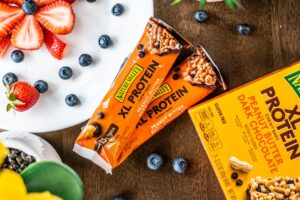



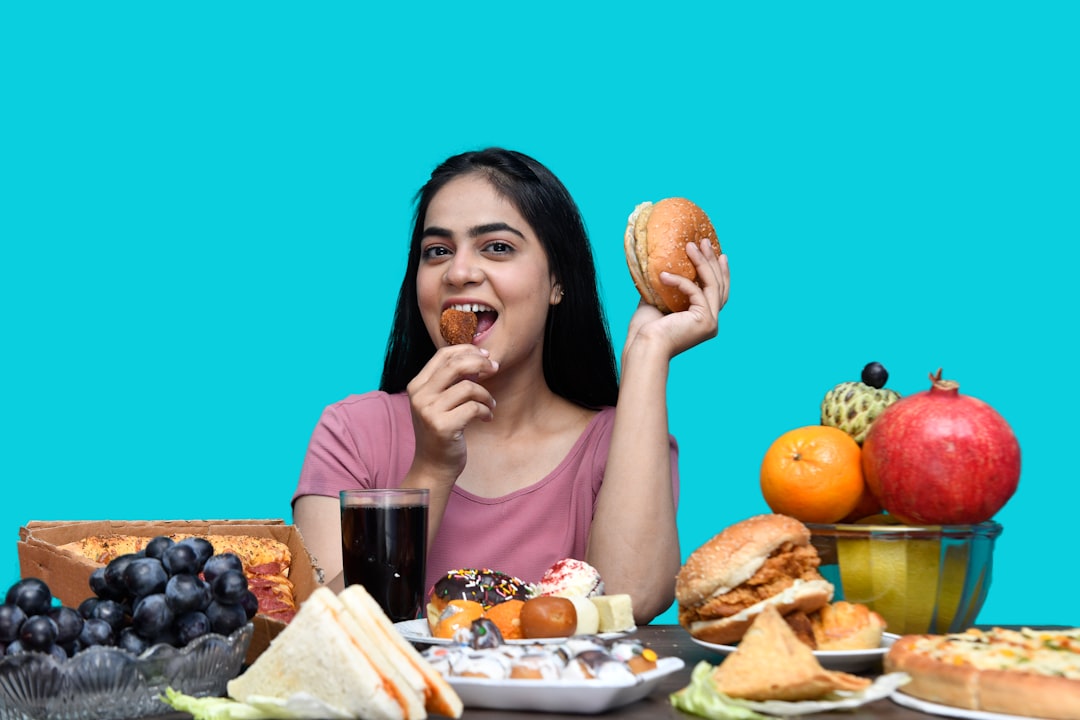
The grocery aisles, once dominated by brightly colored boxes and plastic-wrapped packages, are witnessing a discernible shift. A growing segment of consumers is actively seeking out food products that bear a closer resemblance to their natural origins, a movement often encapsulated by the term “whole foods.” This trend represents a rejection, or at least a significant reduction, of what is commonly understood as the “ultra-processed diet.”
Ultra-processed foods (UPFs) have become ubiquitous in modern Western diets. They are distinguished by their industrial formulations, often incorporating a lengthy list of ingredients not typically found in a home kitchen. These are not simply foods that have undergone some degree of processing, like pasteurization or canning. Instead, UPFs are characterized by their extensive modification, frequently involving the addition of artificial colors, flavors, sweeteners, emulsifiers, and preservatives designed to enhance palatability and extend shelf life.
Defining Ultra-Processed Foods
The NOVA classification system, developed by Brazilian researchers, categorizes foods into four groups based on the extent and purpose of processing. Group 4, “ultra-processed foods,” is the focus of this burgeoning anti-UPF movement. These foods are typically manufactured from substances derived from other foods (e.g., protein isolates, starches) and often contain little to no recognizable whole food ingredients.
The Appeal of Convenience and Cost
The rise of UPFs is inextricably linked to several societal factors. Their lengthy shelf lives and widespread availability through industrial production have made them incredibly convenient and often more affordable than fresh, minimally processed alternatives. For busy individuals and families, the ease of grabbing a pre-packaged meal or snack can be a powerful draw, especially when economic considerations are paramount.
The Nutritional Landscape of UPFs
From a nutritional standpoint, UPFs are frequently characterized by a high energy density, meaning they pack a lot of calories into a small volume. They tend to be low in fiber, vitamins, and minerals, while being disproportionately high in added sugars, unhealthy fats (particularly saturated and trans fats), and sodium. This nutritional profile is a significant concern for public health.
Declining Health Outcomes and the UPF Connection
The increasing prevalence of ultra-processed foods in diets has coincided with a concerning rise in chronic non-communicable diseases (NCDs) globally. While establishing direct causation is complex, a substantial body of research suggests a strong association between high UPF consumption and adverse health outcomes.
Obesity and Weight Gain
One of the most frequently observed links is between UPFs and obesity. The hyper-palatable nature of these foods, designed to be enticing, can override satiety signals, leading to overconsumption. Furthermore, their low fiber content means they digest quickly, leading to less prolonged feelings of fullness. The high caloric density further contributes to a positive energy balance, a key driver of weight gain.
Cardiovascular Disease
Studies have indicated that individuals who consume higher amounts of UPFs are at increased risk of developing cardiovascular diseases, including heart attacks and strokes. This is attributed not only to the high sodium and unhealthy fat content, which can contribute to elevated blood pressure and cholesterol levels, but also to the presence of specific additives and the overall inflammatory profile of such diets.
Type 2 Diabetes
The impact of UPFs on blood sugar regulation is another significant public health concern. Diets rich in added sugars and refined carbohydrates, common in UPFs, can lead to insulin resistance over time, a precursor to type 2 diabetes. The rapid absorption of sugars from these products also causes sharp spikes and crashes in blood glucose levels, which can be detrimental to metabolic health.
Gut Health and Inflammation
Emerging research is also exploring the detrimental effects of UPFs on the gut microbiome. The lack of fiber in these foods starves beneficial gut bacteria, while certain additives, such as artificial sweeteners and emulsifiers, may negatively alter the composition and function of the microbial community. A compromised gut microbiome has been linked to systemic inflammation, which in turn is associated with a wide range of chronic diseases.
The Rise of the Whole Foods Movement

In direct response to the perceived harms of ultra-processed diets, a counter-movement centered on “whole foods” has gained significant traction. This shift is characterized by a conscious effort to prioritize foods that are minimally processed and retain their natural nutritional integrity.
Consumer Awareness and Education
A critical driver of this movement is increased consumer awareness. Through educational campaigns, media reporting, and the proliferation of health and wellness influencers, individuals are becoming more informed about the potential downsides of UPFs. This knowledge empowers them to make more deliberate food choices.
The Appeal of “Real Food”
The “whole foods” philosophy resonates with a desire for authenticity and purity in food. Consumers are increasingly drawn to the simplicity of ingredients they can recognize and pronounce, foods that are perceived as being more “real” and less adulterated by industrial processes.
The Influence of Dietary Trends
While independent of UPFs, certain popular dietary approaches, such as the paleo diet, ketogenic diet, and various forms of plant-based eating, inherently emphasize whole, unprocessed foods. The popularity of these trends, even if not solely driven by anti-UPF sentiment, has contributed to the broader adoption of whole foods.
Navigating the Whole Foods Landscape
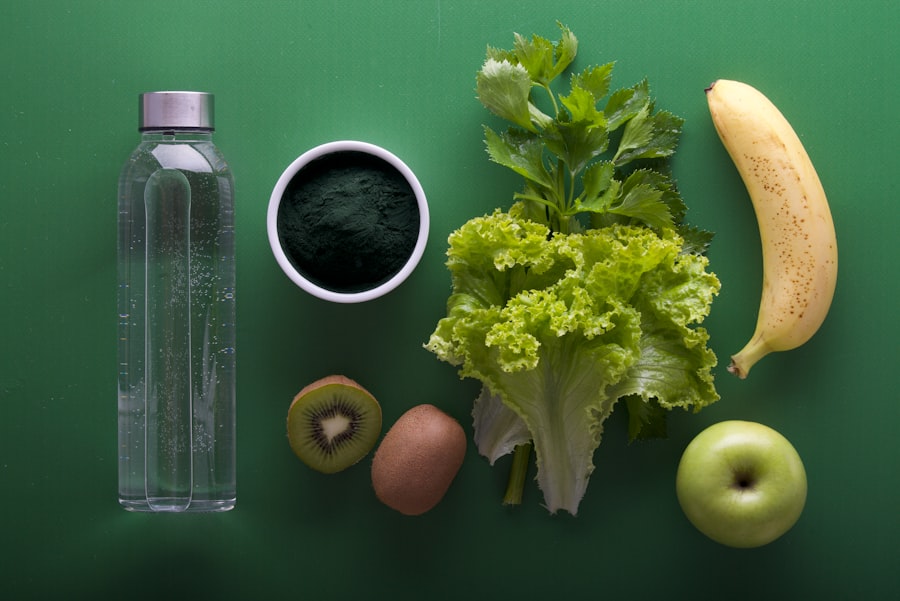
Adopting a whole foods approach requires understanding what constitutes “whole” and how to incorporate these foods into a practical daily diet. It is not simply about avoiding certain categories but about actively choosing nutrient-dense options.
What Constitutes a Whole Food?
In the context of this movement, whole foods are items that are as close to their natural state as possible. This includes:
- Fruits and Vegetables: All varieties, fresh or frozen, without added sugars or sauces.
- Whole Grains: Oats, quinoa, brown rice, barley, farro, and whole wheat products made with 100% whole grain flour.
- Legumes: Beans, lentils, chickpeas, peas.
- Nuts and Seeds: Almonds, walnuts, chia seeds, flaxseeds, sunflower seeds, pumpkin seeds.
- Lean Proteins: Unprocessed meats, poultry, fish, eggs.
- Dairy and Alternatives: Unsweetened yogurt, milk, and plant-based milks (unsweetened and with minimal additives).
Minimally Processed Options
Within the realm of minimally processed foods, consumers might also opt for items that have undergone some form of processing for preservation or convenience, but still retain a high degree of their original nutritional value:
- Canned Beans and Tomatoes: Opt for those packed in water or their own juice, with no added salt or sugar.
- Frozen Fruits and Vegetables: Often flash-frozen at their peak ripeness, retaining most of their nutrients.
- Plain Yogurt: Unsweetened varieties can form the base for healthy snacks.
- Oils and Vinegars: Cold-pressed oils and natural vinegars are generally considered acceptable.
Practical Application in Daily Life
Transitioning to a whole foods diet is a process, not an overnight flip. It requires planning and a willingness to adapt established habits.
Meal Planning and Preparation
- Prioritize Home Cooking: The most effective way to control ingredients is to cook meals at home. This allows for the selection of fresh produce, lean proteins, and whole grains.
- Batch Cooking: Dedicating time to prepare larger quantities of staples like cooked grains, roasted vegetables, or grilled chicken can save significant time during the week.
- Stocking the Pantry: Ensuring a well-stocked pantry with whole grain staples, dried legumes, nuts, seeds, and healthy oils provides the foundation for quick and nutritious meals.
Smart Shopping Strategies
- Read Labels Diligently: Even seemingly healthy products can contain hidden sugars, sodium, or unhealthy fats. Focus on products with short ingredient lists that are easily recognizable.
- Shop the Perimeter: Grocery store layouts often place fresh produce, meats, and dairy on the outer walls, while highly processed items are found in the center aisles.
- Choose Whole Grain Options: Look for “100% whole wheat” or “whole grain” as the first ingredient on bread, pasta, and cereal packaging.
Making Healthier Choices When Eating Out
- Request Modifications: Don’t hesitate to ask for sauces on the side, grilled instead of fried options, or extra vegetables.
- Opt for Simpler Dishes: Grilled fish or chicken with steamed vegetables and a side of brown rice are generally better choices than heavily sauced or breaded dishes.
- Be Mindful of Dressings and Toppings: These can significantly increase the sugar, sodium, and fat content of a meal.
The Economic and Environmental Considerations
| Benefits of Anti-Ultra-Processed Diet | Whole Foods |
|---|---|
| Improved Nutrient Intake | Higher levels of vitamins, minerals, and antioxidants |
| Weight Management | Lower calorie density and increased satiety |
| Reduced Risk of Chronic Diseases | Lower risk of heart disease, diabetes, and certain cancers |
| Improved Digestive Health | Higher fiber content and better gut microbiome support |
| Environmental Sustainability | Reduced carbon footprint and support for local farmers |
While the benefits of a whole foods diet are increasingly recognized from a health perspective, its broader implications, including economic and environmental factors, are also coming under scrutiny.
Affordability and Accessibility
A common concern is whether whole foods are inherently more expensive than ultra-processed options. While some specific organic or specialty whole foods can command higher prices, a diet prioritizing staple whole foods like legumes, grains, and seasonal produce can be remarkably affordable. However, accessibility remains a significant challenge in many food deserts, where UPFs are often the most readily available and affordable options.
Environmental Footprint
The environmental impact of food production is a complex area. Generally, diets rich in plant-based whole foods tend to have a lower carbon footprint compared to diets high in animal products, which are common in some UPF-heavy western diets. However, the processing and transportation of all food items contribute to their overall environmental impact, meaning the distinction between whole and processed can be nuanced.
Supporting Sustainable Food Systems
The rise of the whole foods movement can also be seen as a catalyst for supporting more sustainable and ethical food systems. By demanding transparency in food production and choosing foods from responsible sources, consumers can indirectly influence agricultural practices and promote environmental stewardship.
Challenges and Criticisms of the Whole Foods Movement
Despite its growing popularity and the compelling scientific evidence supporting its benefits, the whole foods movement is not without its critics and faces certain challenges.
The “Purity” Fallacy
Some argue that the emphasis on “purity” in whole foods can lead to an unhealthy obsession with diet and potentially contribute to disordered eating patterns. The idea that only “perfectly” whole foods are acceptable can create undue stress and guilt.
Misinterpretation and Overgeneralization
The definition of “whole food” can sometimes be oversimplified, leading to the exclusion of perfectly healthy and beneficial minimally processed items. Furthermore, the blanket condemnation of all processing can be misleading, as some processing techniques are essential for food safety and preservation.
The Role of Additives
While the focus is often on macronutrient profiles and the absence of recognizable ingredients, the long-term effects of some food additives, even in minimally processed foods, are still not fully understood. This creates a gray area for consumers.
Addressing the Gaps in Education and Access
Ultimately, the success of the anti-ultra-processed, pro-whole foods movement hinges on addressing systemic issues of food education and accessibility. Without wider access to affordable, nutritious whole foods and comprehensive nutritional knowledge, the shift may remain a privilege rather than a universal standard.
In conclusion, the rise of whole foods as an antidote to the ultra-processed diet reflects a growing consumer consciousness regarding the intricate link between what we eat and our overall well-being. This movement, driven by a desire for nutrient density, simplicity, and long-term health, is reshaping grocery aisles and kitchen tables alike. While challenges remain in terms of affordability, accessibility, and nuanced understanding, the trajectory suggests a sustained re-evaluation of our relationship with food, prioritizing nourishment over convenience, and favoring the integrity of the ingredient over the allure of the industrialized product.
FAQs
What is the anti-ultra-processed diet?
The anti-ultra-processed diet is a dietary approach that focuses on consuming whole, minimally processed foods and avoiding highly processed and refined products. This includes prioritizing fruits, vegetables, whole grains, lean proteins, and healthy fats.
Why are whole foods making a comeback?
Whole foods are making a comeback due to increasing awareness of the potential health risks associated with consuming ultra-processed foods. Additionally, whole foods are rich in nutrients, fiber, and antioxidants, and are often lower in added sugars, unhealthy fats, and artificial additives.
What are the benefits of following an anti-ultra-processed diet?
Following an anti-ultra-processed diet can lead to various health benefits, including improved weight management, better blood sugar control, reduced risk of chronic diseases such as heart disease and diabetes, and better overall nutritional intake.
What are some examples of whole foods?
Examples of whole foods include fruits, vegetables, whole grains (such as quinoa, brown rice, and oats), legumes, nuts, seeds, lean meats, fish, and poultry. These foods are in their natural state or have undergone minimal processing.
How can someone transition to an anti-ultra-processed diet?
Transitioning to an anti-ultra-processed diet can be achieved by gradually incorporating more whole foods into one’s meals and snacks, reading food labels to identify and avoid highly processed ingredients, cooking at home more often, and seeking out local, fresh produce and minimally processed food options.