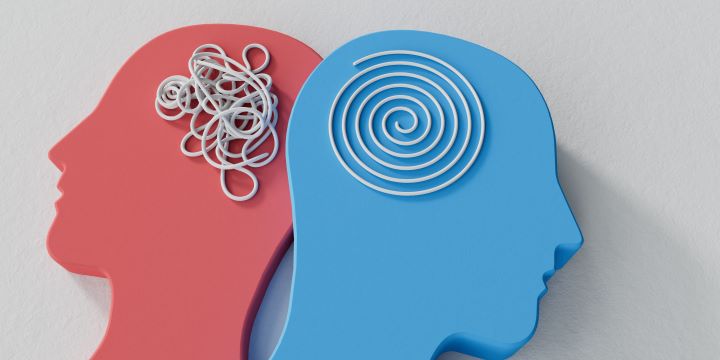




The landscape of personal well-being is undergoing a discernible shift. For decades, the prevailing paradigm of health has been predominantly physical. The emphasis was on cardiovascular strength, muscular definition, and the visible markers of a body in motion. However, a more nuanced understanding of holistic health has begun to take root, propelling a new concept to the forefront: mental fitness. This essay will explore the burgeoning recognition of mental fitness as a crucial component of overall well-being, equivalent and increasingly intertwined with physical fitness, examining its origins, implications, and the practical strategies for its cultivation.
The historical trajectory of health discourse has largely been dictated by tangible, observable outcomes. Infectious diseases, once the primary cause of mortality, spurred advancements in sanitization and medicine that focused on eradicating pathogens. The industrial revolution and subsequent sedentary lifestyles brought chronic diseases like heart disease and obesity to the fore, prompting a widespread emphasis on nutrition and exercise. These were, by their nature, physically oriented solutions. The gym became a temple, the marathon a triumph of human endurance, and dietary regimens a daily ritual. The mind, while acknowledged in its capacity for emotional distress, was often relegated to the realm of psychology or psychiatry, distinct from the generally accepted practices of maintaining physical health.
The Limitations of a Purely Physical Approach
While undoubtedly vital, the singular focus on physical fitness has revealed its inherent limitations. An individual can possess a remarkably toned physique, a low resting heart rate, and a meticulous diet, yet still experience significant distress from anxiety, burnout, or the inability to manage stress. This disconnect highlights that physical health, while a powerful bedrock, does not inherently confer mental resilience or cognitive sharpness. The pursuit of physical perfection can, in some instances, even exacerbate mental strain through excessive pressure, disordered eating patterns, or an unhealthy relationship with exercise. The recognition of this gap has paved the way for a more integrated approach.
The Emergence of Mental Fitness as a Concept
The term “mental fitness” itself is relatively new, gaining traction in recent years as research into neuroscience and psychology has illuminated the plasticity of the brain and the profound impact of cognitive and emotional health on overall quality of life. It reframes the mind not as a static entity susceptible to inevitable decline, but as a dynamic system that can be trained, strengthened, and maintained through proactive effort. This is analogous to how physical fitness views the body – not as something preordained to age and weaken, but as a biological machine capable of adaptation and improvement through consistent engagement. Mental fitness, therefore, encompasses a range of abilities, including emotional regulation, cognitive flexibility, stress management, resilience, and focus.
Demystifying Mental Fitness: What It Encompasses
To appreciate the rise of mental fitness, it is essential to define its constituent elements. It is not merely the absence of mental illness, but rather the active cultivation of positive cognitive and emotional states. This involves a proactive, preventative approach, much like regular exercise aims to prevent physical ailments.
Cognitive Function and Agility
At its core, mental fitness involves optimizing cognitive functions. This includes improving memory, attention span, problem-solving abilities, and critical thinking. Just as an athlete trains specific muscle groups for enhanced performance, individuals can engage in activities that challenge and strengthen their cognitive faculties. This can range from learning new skills and languages to complex puzzles and strategic games.
The Role of Neuroplasticity
A key scientific underpinning for mental fitness is the concept of neuroplasticity – the brain’s remarkable ability to reorganize itself by forming new neural connections throughout life. This means that the brain is not hardwired from birth; it is constantly adapting and changing in response to experiences, learning, and even thoughts. Understanding neuroplasticity empowers individuals to view their cognitive abilities as malleable and improvable, fostering a proactive mindset towards brain health.
Engaging in Cognitive ‘Workouts’
The concept of “cognitive workouts” is gaining increasing prominence. These are not necessarily arduous tasks, but rather activities that require sustained mental effort and introduce novelty. Examples include reading challenging texts, learning a musical instrument, engaging in strategic board games, or even taking on complex projects at work that demand innovative thinking. The key is to move beyond routine and comfortably familiar mental tasks.
Emotional Regulation and Resilience
Beyond cognitive prowess, mental fitness significantly incorporates the capacity to understand, manage, and respond to emotions effectively. This is not about suppressing emotions, but about developing a healthy relationship with them. It involves recognizing emotional triggers, understanding the physical manifestations of emotions, and employing strategies to navigate challenging feelings without being overwhelmed.
Stress Management Techniques
Stress is an unavoidable aspect of modern life. Mental fitness equips individuals with a repertoire of effective stress management techniques. These can include mindfulness meditation, deep breathing exercises, progressive muscle relaxation, and engaging in
activities that promote flow states, such as hobbies or creative pursuits. The goal is to build resilience, enabling individuals to bounce back from setbacks and adapt to demanding situations more effectively.
Building Emotional Intelligence
Emotional intelligence (EQ) is a cornerstone of mental fitness. It encompasses self-awareness, self-regulation, social awareness, and relationship management. Individuals with high EQ are better equipped to understand their own emotions and those of others, leading to improved interpersonal relationships, effective conflict resolution, and stronger leadership qualities.
Focus, Attention, and Productivity
In an era characterized by constant digital distractions and information overload, the ability to maintain focus and sustained attention is becoming an increasingly valuable commodity. Mental fitness training can enhance these skills, leading to greater productivity, deeper engagement with tasks, and a reduction in mental fatigue.
Combating Digital Distractions
The pervasiveness of smartphones and social media presents a significant challenge to focus. Mental fitness strategies often involve techniques to intentionally disconnect, create distraction-free work environments, and practice mindful technology usage. This allows for periods of deep work and concentrated effort, fostering a sense of accomplishment and reducing mental fragmentation.
The Power of Single-Tasking
In contrast to the often-celebrated concept of multitasking, mental fitness emphasizes the power of single-tasking. By dedicating full attention to one task at a time, individuals can achieve higher quality outcomes, reduce errors, and experience less mental depletion compared to the fragmented cognitive load associated with attempting to manage multiple tasks simultaneously.
The Intertwined Nature of Mental and Physical Health

The traditional separation between mental and physical health is proving to be an artificial construct. Emerging research consistently demonstrates a profound and bidirectional relationship between the two. Neglecting one invariably impacts the other, and conversely, improving one often has positive ripple effects on the other.
The Gut-Brain Axis: A Crucial Connection
One of the most fascinating areas of research highlighting this interconnectedness is the gut-brain axis. The trillions of microorganisms residing in the human gut, collectively known as the microbiome, communicate with the brain through a complex network of neural and hormonal pathways. A healthy gut microbiome has been linked to improved mood, reduced anxiety, and enhanced cognitive function, while an imbalanced microbiome can contribute to inflammation and negatively impact mental well-being.
The Impact of Diet on Mood and Cognition
This intricate connection underscores the profound impact of diet on mental states. Diets rich in processed foods, sugar, and unhealthy fats can contribute to inflammation in the body, including the brain, and disrupt the gut microbiome, potentially leading to symptoms of depression and anxiety. Conversely, a nutrient-dense diet rich in fruits, vegetables, whole grains, and healthy fats can support brain health, improve mood, and enhance cognitive function.
Exercise’s Neurochemical Benefits
Regular physical activity is not merely beneficial for cardiovascular health; it is a potent neurochemical stimulant. Exercise releases endorphins, which have mood-boosting effects, and also promotes the production of brain-derived neurotrophic factor (BDNF), a protein that plays a crucial role in the growth, survival, and function of neurons. This can lead to improved memory, enhanced learning, and increased resilience to stress.
The Psychological Toll of Physical Neglect
Conversely, neglecting physical health can have significant psychological consequences. Sedentary lifestyles are linked to higher rates of depression and anxiety. Chronic pain and physical limitations can lead to feelings of frustration, isolation, and diminished self-worth. The inability to engage in activities due to poor physical health can impact social connections and overall life satisfaction.
The Cycle of Inactivity and Low Mood
A well-documented phenomenon is the vicious cycle of inactivity and low mood. When an individual feels depressed or anxious, they may lack the motivation to exercise. This lack of physical activity can then exacerbate their mood symptoms, creating a downward spiral. Breaking this cycle often requires a concerted effort to reintroduce movement, even in small, manageable increments.
Impaired Sleep and Cognitive Function
Physical ill-health often disrupts sleep patterns. Poor sleep, in turn, significantly impairs cognitive function, leading to reduced concentration, poor decision-making, and emotional dysregulation. This highlights how physical imbalances can directly undermine mental acuity and emotional stability.
Practical Strategies for Cultivating Mental Fitness

Recognizing the importance of mental fitness is the first step; actively cultivating it requires a proactive and strategic approach. Much like devising a physical training plan, developing a mental fitness routine involves consistent effort and the adoption of healthy habits.
Mindful Practices and Meditation
Mindfulness, the practice of paying attention to the present moment without judgment, has become a cornerstone of mental fitness. Meditation, a more formal practice of mindfulness, has been shown to reduce stress, improve focus, and enhance emotional regulation.
The Benefits of Daily Meditation
Even brief daily meditation sessions, typically ranging from 5 to 20 minutes, can yield significant benefits. Regular practice can train the brain to become less reactive to stressful stimuli, improve self-awareness, and foster a greater sense of calm and clarity.
Integrating Mindfulness into Daily Life
Beyond formal meditation, mindfulness can be integrated into everyday activities. This might involve paying full attention to eating a meal, savoring a cup of tea, or engaging in a conversation without distractions. The goal is to be present in each moment, fostering a deeper connection with oneself and the surrounding environment.
Lifelong Learning and Cognitive Stimulation
The brain thrives on novelty and challenge. Engaging in lifelong learning and deliberately seeking out cognitively stimulating activities is crucial for maintaining and improving mental fitness.
Acquiring New Skills and Knowledge
Learning a new language, playing a musical instrument, or acquiring a new vocational skill all require the brain to form new neural pathways and adapt. These activities not only enhance cognitive function but can also boost self-esteem and provide a sense of purpose.
Engaging in Puzzles and Brain Teasers
While not a substitute for more complex learning, engaging in puzzles, crosswords, Sudoku, and other brain teasers can offer a readily accessible way to keep the mind sharp. These activities require problem-solving, pattern recognition, and memory recall.
Building a Supportive Social Network
Human beings are inherently social creatures, and strong social connections are vital for mental well-being. A robust support system provides emotional validation, reduces feelings of isolation, and offers practical assistance during challenging times.
The Importance of Meaningful Relationships
The quality of social connections is more significant than the quantity. Nurturing deep, meaningful relationships characterized by trust, empathy, and mutual support is a powerful buffer against stress and a significant contributor to overall happiness and resilience.
Seeking Professional Support When Needed
It is also crucial to acknowledge that mental fitness does not preclude the need for professional support. Therapy, counseling, and psychiatric care are invaluable resources for addressing more complex mental health challenges and developing coping mechanisms. Seeking such help is not a sign of weakness but a proactive step towards well-being.
The Future of Well-being: An Integrated Approach
| Metrics | Data |
|---|---|
| Number of people practicing mental fitness | Increasing |
| Investment in mental health apps | Rising |
| Public awareness of brain health | Growing |
| Research on mental fitness benefits | Expanding |
The rise of mental fitness signifies a maturing understanding of what it means to be truly healthy. It moves beyond a singular focus on the physical form to embrace the intricate interplay between mind and body. This evolving perspective promises a future where well-being is viewed holistically, acknowledging that optimizing one’s mental landscape is as essential as cultivating physical strength and vitality.
Prevention as the Primary Strategy
Just as physical fitness emphasizes preventative measures to ward off disease, the burgeoning field of mental fitness prioritizes proactive strategies to build resilience and enhance cognitive and emotional well-being. This shift from reactive treatment to proactive cultivation holds the potential to reduce the burden of mental health issues and foster a more robust and flourishing society.
Education and Awareness as Catalysts for Change
Increased education and public awareness about mental health and mental fitness will be critical drivers of this paradigm shift. By demystifying mental health, destigmatizing help-seeking, and highlighting the actionable steps individuals can take to improve their mental well-being, a broader societal embrace of mental fitness can be fostered.
The Workplace and Societal Implications
The recognition of mental fitness as a vital component of well-being has significant implications for workplaces and society at large. Organizations are increasingly understanding that employee mental well-being directly impacts productivity, creativity, and overall organizational success. This may lead to greater investment in employee mental health resources, promotion of work-life balance, and a more supportive and psychologically safe work environment. On a broader societal level, this shift could lead to a greater emphasis on mental health education in schools, more accessible mental healthcare services, and a cultural narrative that celebrates intellectual and emotional strength alongside physical prowess. The notion that brain health is the new physical fitness is not merely a trend; it represents a fundamental and necessary evolution in how we approach the multifaceted nature of human well-being.
FAQs
What is mental fitness?
Mental fitness refers to the state of one’s mental health and cognitive abilities. It encompasses emotional well-being, resilience, and the ability to cope with stress, as well as cognitive functions such as memory, attention, and problem-solving.
How does mental fitness differ from physical fitness?
While physical fitness focuses on the body’s ability to function effectively and efficiently, mental fitness pertains to the mind’s capacity to maintain optimal cognitive and emotional functioning. Both are important for overall well-being and quality of life.
Why is brain health becoming increasingly important?
As research continues to uncover the intricate connection between mental and physical health, the significance of brain health has become more apparent. Maintaining good brain health is crucial for preventing cognitive decline, reducing the risk of mental health disorders, and promoting overall well-being.
What are some strategies for improving mental fitness?
Strategies for enhancing mental fitness include engaging in regular physical exercise, practicing mindfulness and meditation, getting adequate sleep, maintaining social connections, challenging the brain with new activities, and seeking professional help when needed.
How can individuals incorporate mental fitness into their daily lives?
Incorporating mental fitness into daily life can be achieved through simple practices such as setting aside time for relaxation and stress reduction, engaging in hobbies that stimulate the mind, prioritizing sleep and nutrition, and seeking out mental health resources and support when necessary.