


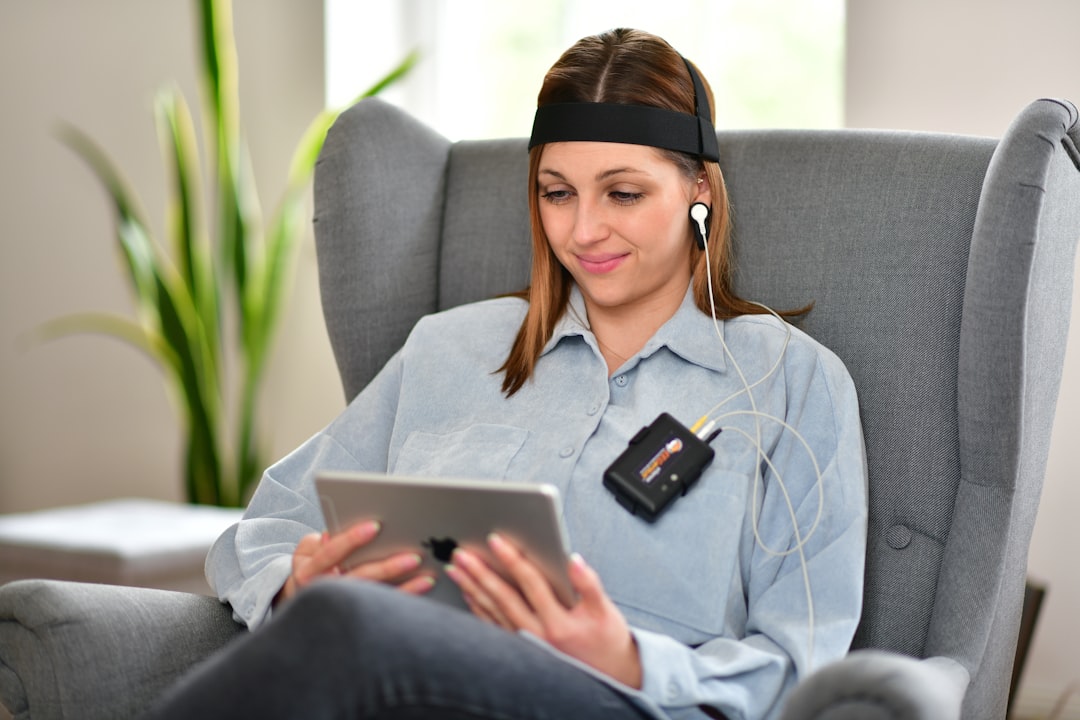
The proliferation of wearable technology has significantly altered the landscape of personal health monitoring. Among these innovations, wearable sleep trackers have garnered considerable attention, promising insights into a crucial, yet often neglected, aspect of well-being: sleep. These devices, ranging from smartwatches and rings to under-mattress sensors, offer data points such as sleep stages (light, deep, REM), sleep duration, heart rate variability, and oxygen saturation. The appeal lies in democratizing access to information traditionally available only through polysomnography in clinical settings. However, the exact impact of this technology on health remains a complex topic, prompting questions about its utility and potential downsides. This article aims to explore the multifaceted influence of wearable sleep tech, examining both its benefits and the potential for unintended negative consequences.
Wearable sleep trackers present a compelling proposition: the illumination of previously unobserved sleep patterns. For individuals with seemingly healthy sleep habits or those experiencing subtle disruptions, these devices can offer valuable data.
Identifying Sleep Irregularities
A primary benefit of these devices is their ability to highlight inconsistencies in sleep. Users can observe shifts in their bedtime and wake-up times, which might indicate a creeping sleep debt or an irregular circadian rhythm.
- Circadian Rhythm Monitoring: Consistent tracking can reveal if an individual’s sleep schedule is aligned with their natural circadian rhythm. Deviations, such as consistently going to bed and waking up at different times on weekdays versus weekends, can be clearly visualized, prompting individuals to adjust their routines.
- Early Detection of Emerging Issues: Small, gradual changes in sleep onset latency or an increase in wakefulness during the night might go unnoticed without objective data. Wearable tech can flag these early, potentially allowing for intervention before a minor disruption evolves into a more significant sleep problem.
Promoting Awareness and Education
The sheer act of observing sleep data often acts as an educational tool, encouraging users to learn more about sleep hygiene and its importance.
- Understanding Sleep Stages: Many trackers categorize sleep into distinct stages. While the accuracy of these classifications outside of a lab setting is a subject of ongoing debate, the visual representation can motivate users to understand the characteristics and importance of each stage. For instance, seeing a consistently low percentage of deep sleep might prompt research into factors that inhibit it.
- Impact of Lifestyle Choices: By correlating sleep data with daily activities – such as caffeine intake, exercise, or late-night screen time – users can gain a clearer understanding of how their choices affect their sleep quality. This direct feedback loop can be a powerful motivator for behavioral change.
Facilitating Behavioral Change
Armed with data and awareness, individuals may be more inclined to adopt healthier sleep habits.
- Goal Setting and Tracking: Many apps associated with wearable trackers allow users to set sleep goals, such as achieving a certain sleep duration or consistency. The visual progress updates and gamified elements can provide positive reinforcement, encouraging adherence to these goals.
- Identifying and Addressing Sleep Disruptors: If consistent data points to specific issues, such as frequent wake-ups, individuals can investigate potential causes. This might lead them to adjust their bedroom environment, meal timing, or evening routines.
The Limitations of Consumer-Grade Sleep Data
Despite the apparent utility of wearable sleep technology, it is crucial to temper expectations regarding the precision and diagnostic capabilities of these consumer-grade devices. Their limitations can, in some cases, hinder rather than help.
Accuracy and Validation Concerns
The algorithms and sensors used in wearable devices are not equivalent to medical-grade diagnostic tools. This discrepancy can lead to inaccuracies that may mislead users.
- Distinguishing Sleep Stages: Polysomnography, the gold standard for sleep studies, uses electroencephalography (EEG) to precisely identify brainwave patterns associated with different sleep stages. Wearable devices typically rely on actigraphy (movement) and heart rate, which are indirect measures. While some devices are improving, their ability to accurately distinguish between light sleep, deep sleep, and particularly REM sleep, remains a challenge in many instances.
- Detecting Sleep Disorders: Conditions like sleep apnea and restless legs syndrome require specific diagnostic criteria that wearable devices are often ill-equipped to detect with sufficient reliability. While some trackers incorporate oxygen saturation sensors, these are not substitutes for a formal sleep study. False positives or false negatives can lead to unnecessary anxiety or a dangerous sense of false reassurance.
Over-Reliance on Metrics
The constant display of sleep metrics can, for some individuals, foster an unhealthy preoccupation with data rather than an intuitive understanding of their body’s needs.
- Quantified Self Obsession: The “quantified self” movement, while promoting self-awareness, can sometimes lead to an obsessive focus on optimizing every data point. This can manifest as an anxiety surrounding “perfect” sleep scores, even when a user feels adequately rested.
- Ignoring Subjective Experience: A good night’s sleep is ultimately about how one feels. If a device reports “poor” sleep despite the user feeling refreshed, an over-reliance on the metric can lead to unnecessary self-doubt or a perception of poor health that isn’t objectively present. Conversely, if a device reports “good” sleep but the user feels fatigued, they might dismiss their symptoms based on the data.
The Stress-Inducing Potential: Orthosomnia and Anxiety
While intended to promote better sleep, wearable sleep tech can, paradoxically, contribute to sleep-related anxiety and the emergence of new sleep disorders.
The Rise of Orthosomnia
Orthosomnia, a term coined by researchers, describes the phenomenon where individuals become excessively preoccupied with achieving “perfect” sleep metrics as reported by their trackers, leading to anxiety and sleep disturbance.
- Performance Anxiety: The desire to “perform well” on sleep metrics can transform sleep from a restorative passive process into an active pursuit of high scores. This pressure can make it harder to fall asleep and stay asleep, creating a vicious cycle of monitoring and anxiety.
- Misinterpretation of Data: An individual might wake up feeling rested but then see a low “sleep score” from their device. This discrepancy can lead to questioning their own perception of sleep quality, potentially fueling anxiety and making them believe they are not getting enough restorative sleep, even when they are.
Amplifying Pre-Existing Sleep Concerns
For individuals already prone to sleep anxiety or experiencing mild insomnia, wearable trackers can exacerbate their problems.
- Increased Self-Monitoring: Insomnia often involves an excessive focus on sleep, a hyper-arousal that makes falling asleep difficult. The constant monitoring offered by sleep trackers can intensify this self-surveillance, making it even harder to relax and drift off.
- Catastrophizing Outcomes: A single “bad” night, as reported by the tracker, can be catastrophized into a sign of severe sleep deprivation or an impending health crisis, despite the subjective experience being manageable. This can lead to worry loops that further disrupt subsequent nights of sleep.
The Role of Health Professionals: Guidance and Interpretation
Given the complexities and potential pitfalls, the involvement of health professionals is crucial for maximizing the benefits and mitigating the risks associated with wearable sleep tech.
Contextualizing Data
A sleep specialist or general practitioner can help individuals interpret their sleep data within the context of their overall health, lifestyle, and symptoms.
- Distinguishing Noise from Signal: Healthcare providers can help determine if reported “irregularities” are genuine concerns or simply artifacts of device limitations. They can differentiate between minor deviations in sleep architecture and patterns indicative of a clinical sleep disorder.
- Tailoring Advice: Generic advice generated by an app may not be suitable for all individuals. A professional can provide personalized recommendations based on the user’s specific health profile, medications, and lifestyle. For example, an individual with a chronic pain condition might have different sleep recommendations than someone who is otherwise healthy.
Identifying When Clinical Intervention is Needed
Wearable trackers can act as a screening tool, but they are not diagnostic. Professionals can determine when further, more accurate, testing is necessary.
- Referral for Formal Sleep Studies: If recurring patterns in wearable data suggest a potential sleep disorder, a doctor can recommend a polysomnography or other clinical assessments to obtain a definitive diagnosis. This prevents individuals from self-diagnosing or relying on potentially inaccurate wearable data for critical health decisions.
- Addressing Underlying Medical Conditions: Sleep disturbances can be symptoms of other underlying medical or psychological conditions. A health professional can evaluate the possibility of these conditions and provide appropriate management, rather than solely focusing on sleep hygiene.
Best Practices for Using Wearable Sleep Tech: A Balanced Approach
| Metrics | Results |
|---|---|
| Number of participants | 200 |
| Average hours of sleep tracked | 6.5 hours |
| Percentage of participants feeling stressed | 40% |
| Percentage of participants feeling more aware of their sleep patterns | 60% |
For individuals choosing to integrate wearable sleep technology into their lives, adopting a balanced and informed approach is essential. This involves critical thinking and prioritizing subjective well-being over digital metrics.
Prioritizing Subjective Experience
The most valuable metric for sleep quality remains how an individual feels upon waking and throughout the day. Wearable data should serve as a supplementary tool, not a definitive judgment.
- Listen to Your Body: If a device indicates “poor” sleep, but an individual wakes up feeling refreshed and productive, they should prioritize their subjective experience. Conversely, if the device shows “good” sleep, but they feel fatigued, their feelings should prompt further investigation.
- Acknowledge Individual Variability: What constitutes “optimal” sleep varies from person to person. Focusing on personal patterns and trends, rather than comparing oneself to generalized “ideal” metrics, is more beneficial.
Utilizing Data for Trend Analysis, Not Daily Obsession
The strength of wearable data lies in identifying long-term patterns and the impact of lifestyle changes, not in dictating daily anxieties.
- Focus on Weekly and Monthly Trends: Rather than scrutinizing daily sleep scores, individuals should look for consistent patterns over longer periods. Is there a general trend of improvement or decline? Are certain activities consistently correlated with better or worse sleep?
- Experiment and Observe: Use the data to conduct personal experiments. For example, try avoiding caffeine after a certain time for a week and observe if there’s a measurable difference in sleep onset latency or deep sleep. This empowers users to become active participants in optimizing their sleep.
Cultivating Healthy Boundaries with Technology
To avoid the pitfalls of orthosomnia and data overload, users should establish clear boundaries with their sleep trackers.
- Avoid Bedside Clock Gazing: Some individuals become fixated on their sleep tracker’s app immediately upon waking. This can set a negative tone for the day if the metrics are perceived as unfavorable. Reviewing data at a later, less emotionally charged time can be more constructive.
- Occasional Breaks: Taking periodic breaks from sleep tracking can help recalibrate one’s relationship with the data and reinforce the importance of trusting one’s natural body signals. A few nights or even a week without tracking can be a healthy practice.
The impact of wearable sleep technology on health is undeniably complex. While these devices offer a democratized window into sleep patterns, potentially fostering awareness and facilitating beneficial behavioral changes, their limitations in accuracy and the risk of fostering anxiety and orthosomnia are significant. The utility of wearable sleep tech ultimately hinges on an individual’s approach to the data and, ideally, guidance from healthcare professionals who can provide crucial context and interpretation. A balanced perspective that prioritizes subjective well-being, utilizes data for long-term trend analysis, and cultivates healthy technological boundaries is essential for transforming these tools from potential sources of stress into genuinely helpful aids for sleep health. Without such an approach, the pursuit of “perfect” sleep metrics can inadvertently undermine the very sleep quality they aim to improve.
FAQs
What is wearable sleep tech?
Wearable sleep tech refers to devices such as smartwatches, fitness trackers, and other wearable devices that are designed to track and monitor sleep patterns and quality.
How do wearable sleep tech devices work?
Wearable sleep tech devices typically use sensors to track movement, heart rate, and sometimes even breathing patterns to gather data on sleep duration and quality. This data is then analyzed to provide insights into the user’s sleep patterns.
Are wearable sleep tech devices improving health?
There is some evidence to suggest that wearable sleep tech devices can help users become more aware of their sleep habits and make positive changes to improve their sleep quality. However, the effectiveness of these devices in improving overall health is still being researched.
Can wearable sleep tech devices cause stress?
Some users may experience stress or anxiety from constantly monitoring their sleep data and feeling pressure to achieve certain sleep goals. This can lead to a phenomenon known as orthosomnia, where the pursuit of perfect sleep becomes a source of stress.
What are the potential drawbacks of using wearable sleep tech devices?
Potential drawbacks of using wearable sleep tech devices include inaccurate data, reliance on technology for sleep management, and the potential for increased stress and anxiety related to sleep. It’s important for users to consider the potential drawbacks and use these devices in a balanced and mindful way.