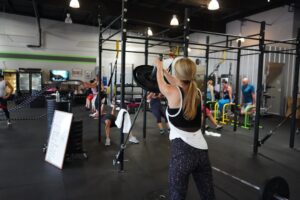



In recent years, a notable shift has occurred within the fitness landscape, with mobility training steadily gaining prominence and, in many circles, beginning to eclipse the previously unchallenged dominance of heavy lifting. This evolution reflects an increasing awareness among individuals and fitness professionals alike regarding the comprehensive benefits of a body that moves well, not just one that lifts heavy. The traditional paradigm often prioritized muscle hypertrophy and maximal strength, sometimes at the expense of joint health, range of motion, and functional capacity. However, a growing understanding of human biomechanics and injury prevention has propelled mobility training into the forefront, redefining what it means to be truly fit.
Mobility training, at its core, encompasses a wide array of exercises and techniques designed to improve an individual’s active range of motion around their joints. It differs significantly from mere flexibility, which refers to the passive lengthening of muscles. Mobility, conversely, emphasizes control and strength throughout the entire available range, allowing for greater athletic performance and reduced risk of injury.
Defining Mobility vs. Flexibility
The distinction between mobility and flexibility is crucial for understanding the impact of specialized mobility training. Flexibility primarily addresses the length of muscles and connective tissues, often achieved through static stretching. While beneficial, it does not guarantee control over that extended range. Mobility, on the other hand, integrates flexibility with strength and coordination. For instance, an individual might be flexible enough to touch their toes (passive range), but if they lack the strength to independently raise their leg to hip height with control (active range), their mobility is compromised.
Key Components of Effective Mobility Programs
Effective mobility training programs integrate several key components to achieve comprehensive results. These often include dynamic stretches, which move the body through a range of motion, and loaded stretches, which apply resistance at the end range to build strength. Myofascial release techniques, such as foam rolling or using lacrosse balls, are also frequently incorporated to address tissue restrictions and trigger points. Furthermore, specific exercises targeting joint articulation and stabilization are vital for enhancing overall joint health and function.
Addressing the Limitations of Exclusive Heavy Lifting
While heavy lifting undeniably offers significant benefits for strength, muscle mass, and bone density, an exclusive focus on this modality can inadvertently lead to certain limitations and potential drawbacks. The repetitive nature of certain lifts, coupled with a lack of attention to joint health and end-range strength, can create imbalances and restrict movement freedom over time.
Potential for Restricted Range of Motion
One of the primary concerns with exclusive heavy lifting is the potential for developing a restricted range of motion. Many strength training exercises, particularly compound movements like squats and deadlifts, emphasize specific movement patterns and often prioritize moving as much weight as possible. This can sometimes lead individuals to utilize only the strongest parts of their range, neglecting the extreme ends where full joint articulation is critical. Over time, this repeated shortening of muscle fibers and neglect of end-range movement can lead to stiffness and a reduced overall movement capacity.
Increased Risk of Injury Without Proper Mobility
A lack of sufficient mobility can significantly elevate the risk of injury, especially when engaging in heavy lifting. When a joint cannot move through its full anatomical range, other joints or tissues compensate, placing undue stress on areas not designed to handle such loads. For example, individuals with limited hip mobility might compensate by rounding their lower back during a deadlift, thereby increasing the risk of disc herniation. Similarly, restricted shoulder mobility during overhead presses can lead to impingement issues. Mobility training acts as a preventative measure, ensuring that the body has the necessary capacity to execute challenging movements safely and efficiently.
Overcoming Muscle Imbalances
Exclusive heavy lifting can also exacerbate or create muscle imbalances. Often, individuals tend to overtrain certain muscle groups that are perceived as “strong” or aesthetically pleasing, while neglecting smaller, stabilizing muscles that are crucial for joint integrity. For instance, an overreliance on chest and anterior deltoid development without adequate attention to the posterior chain and rotator cuff can lead to poor posture and shoulder dysfunction. Mobility training, by its very nature, encourages a more holistic approach, addressing imbalances and promoting symmetrical strength development across all joints and muscle groups.
The Multifaceted Benefits of Enhanced Mobility

The integration of mobility training into a broader fitness regimen yields a wide array of benefits that extend far beyond simply moving better. These advantages contribute to improved athletic performance, reduced pain, and a greater quality of life in the long term.
Improved Athletic Performance and Efficiency
For athletes across various disciplines, enhanced mobility translates directly into improved performance. Greater range of motion allows for more powerful and efficient execution of movements. A sprinter with better hip mobility can achieve a longer stride length, while a weightlifter with superior ankle and thoracic spine mobility can execute a deeper, more stable squat. By unlocking restricted movement patterns, athletes can access a greater pool of potential power and speed, leading to measurable improvements in their respective sports.
Reduced Pain and Enhanced Posture
A significant advantage of prioritizing mobility is its profound impact on reducing chronic pain and improving posture. Many common aches and pains, particularly in the lower back, neck, and shoulders, stem from limited mobility, muscle imbalances, and compensatory movement patterns. By addressing these underlying restrictions, individuals can alleviate discomfort and restore proper alignment. For instance, improving thoracic spine mobility can significantly reduce neck and shoulder stiffness, while enhancing hip mobility can alleviate pressure on the lumbar spine.
Greater Longevity and Functional Independence
Perhaps one of the most compelling arguments for embracing mobility training is its contribution to long-term health and functional independence. As individuals age, a natural decline in range of motion and joint health often occurs, leading to limitations in everyday activities. By proactively working on mobility, individuals can maintain their ability to perform daily tasks with ease, such as bending, reaching, and squatting, thereby preserving their independence and enhancing their quality of life well into their later years. It is about maintaining the body’s capacity to move freely and without pain for a lifetime.
Integrating Mobility into a Holistic Fitness Approach
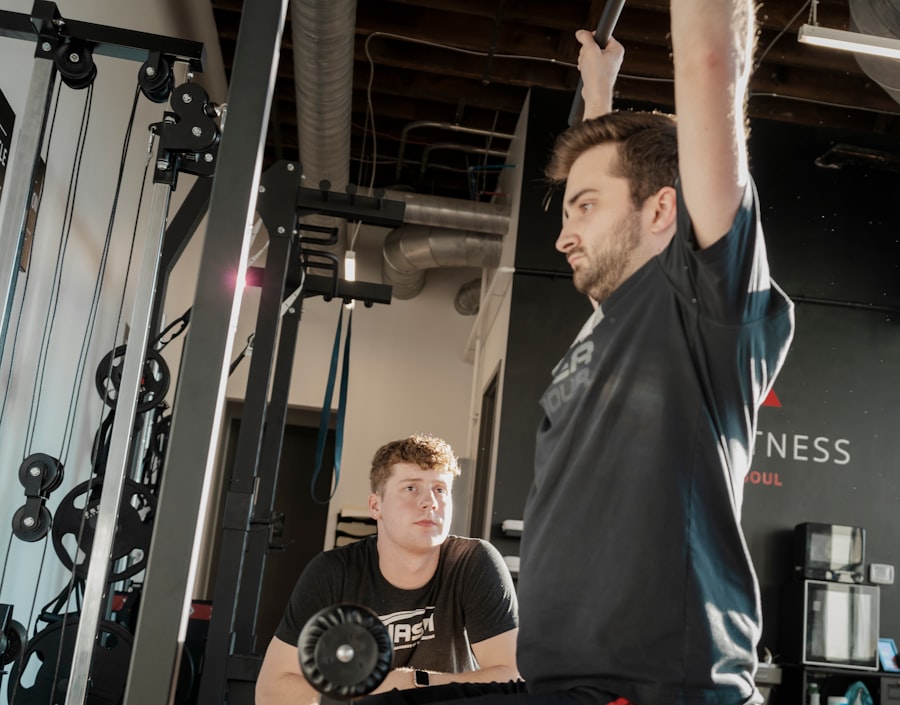
Effectively integrating mobility training into a comprehensive fitness strategy requires a thoughtful and systematic approach. It is not about replacing heavy lifting entirely, but rather about complementing and enhancing it. The goal is to create a well-rounded individual who is not only strong but also agile, resilient, and pain-free.
Periodization and Strategic Placement
Strategic placement of mobility work within a training program is crucial for maximizing its benefits. Mobility exercises can be incorporated as a dynamic warm-up before strength training, preparing the joints and muscles for movement. It can also serve as a cool-down, assisting in recovery and maintaining newfound ranges. Furthermore, dedicated mobility sessions, separate from strength workouts, can be invaluable for targeting persistent restrictions or focusing on broader movement patterns. Periodization of mobility, similar to strength training, allows for focused attention on specific areas over time, preventing plateaus and ensuring continuous progress.
Combining Mobility with Strength Training
The most effective approach often involves a judicious combination of mobility and strength training. This synergistic relationship means that improved mobility can enable safer and more effective strength training, while strength training within a full range of motion can further enhance mobility. For example, squatting with progressively heavier loads through a full range of motion, coupled with dedicated hip and ankle mobility drills, will yield superior results compared to merely lifting heavy with restricted movement. The two modalities are not mutually exclusive but rather mutually beneficial.
The Role of Consistent Assessment
Regular assessment is paramount in any effective mobility program. This involves periodically evaluating an individual’s range of motion, identifying areas of restriction, and tracking progress. Tools such as functional movement screens, goniometers, and simply observing movement patterns can provide valuable insights. Consistent assessment allows for adjustments to the training plan, ensuring that the work remains targeted and efficient, and that individuals are continuously moving towards their mobility goals. It helps to prevent stagnation and ensures that the program evolves with the individual’s needs.
Future Trends and the Evolution of Fitness
| Benefits of Mobility Training | Key Components |
|---|---|
| Improved flexibility and range of motion | Joint mobility exercises |
| Reduced risk of injury | Stretching and foam rolling |
| Enhanced athletic performance | Dynamic stretching and mobility drills |
| Increased body awareness | Breathing techniques and mindfulness |
The rising prominence of mobility training signals a significant shift in the broader fitness industry, pointing towards a future where fitness is defined by a more holistic understanding of human movement and well-being. This evolution is driven by both scientific advancements and changing societal perspectives on health.
Personalized and Functional Training Approaches
The trend towards personalized and functional training is inextricably linked to the increasing emphasis on mobility. As individuals recognize the unique movement patterns and limitations of their own bodies, the demand for tailored programs that address these specific needs grows. Functional training, which mimics real-world movements, inherently requires good mobility across multiple joints. Future fitness programs are likely to be even more individualized, incorporating detailed assessments of mobility and prescribing exercises that directly translate to improved function in daily life and sport.
Emphasis on Longevity and Injury Prevention
A growing awareness of the importance of longevity and injury prevention is another key driver behind the embrace of mobility training. People are no longer solely focused on immediate aesthetic gains or peak performance in their twenties but are increasingly concerned with maintaining health and vitality well into their senior years. This paradigm shift places a greater emphasis on practices that support joint health, reduce wear and tear, and minimize the risk of age-related decline. Mobility training, with its focus on joint integrity and controlled movement, perfectly aligns with these long-term health objectives.
Integration of Technology in Mobility Assessment and Training
Technology is poised to play an even more significant role in the future of mobility training. Advanced motion capture systems, wearable sensors, and artificial intelligence are already being utilized to provide detailed assessments of movement patterns and identify subtle restrictions. These technologies can offer precise feedback, allowing for highly targeted interventions and enabling individuals to track their progress with unprecedented accuracy. Virtual reality and augmented reality platforms may also offer immersive and interactive mobility training experiences, making these practices more engaging and accessible to a wider audience. The integration of technology will undoubtedly refine and optimize mobility training methodologies, making them even more effective and impactful.
In conclusion, the ascendancy of mobility training marks a pivotal moment in the fitness world. It represents a mature understanding that true fitness extends beyond mere strength or aesthetics, encompassing the capacity to move freely, efficiently, and without pain. While heavy lifting will always retain its value for building strength and muscle, its optimization and long-term sustainability are increasingly seen as dependent upon a foundation of robust mobility. This evolving perspective promises a future where exercise is not just about pushing limits but about cultivating a body that serves individuals well throughout their entire lives, promoting longevity, reducing injury risk, and enhancing overall quality of movement and existence.
FAQs
What is mobility training?
Mobility training is a fitness trend focused on improving flexibility, range of motion, and joint stability through targeted exercises and movements.
How is mobility training different from heavy lifting?
While heavy lifting focuses on building strength and muscle mass, mobility training emphasizes improving functional movement patterns and preventing injury by addressing imbalances and limitations in mobility.
What are the benefits of mobility training?
The benefits of mobility training include improved flexibility, reduced risk of injury, enhanced athletic performance, better posture, and increased overall mobility and range of motion.
Who can benefit from mobility training?
Anyone can benefit from mobility training, but it is particularly beneficial for athletes, individuals with sedentary lifestyles, and those looking to improve their overall movement quality and joint health.
What are some examples of mobility training exercises?
Examples of mobility training exercises include dynamic stretching, foam rolling, yoga, Pilates, mobility drills, and specific joint mobility exercises targeting areas of limited range of motion.