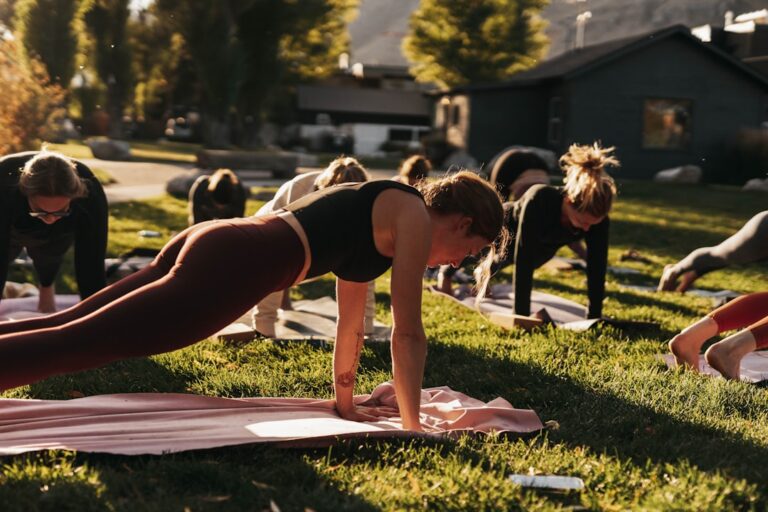


The modern emphasis on individual well-being often centers on solitary pursuits: the solo run, the mindful meditation session conducted alone, or the diet planned and executed independently. While these practices hold undeniable value, they can sometimes overlook a potent, yet often undervalued, component of holistic human health: social fitness. This article explores the significant impact of group workouts on mental health, demonstrating how shared physical exertion can cultivate a powerful sense of connection, resilience, and emotional well-being.
Humans are inherently social creatures. This is not merely an observational fact; it is deeply ingrained in our biology and psychology. Our evolutionary history, marked by reliance on collective survival, has shaped our brains to seek and benefit from social interaction. When these fundamental needs are met, individuals tend to experience greater psychological stability.
The Biological Basis of Social Bonding
The release of oxytocin, often referred to as the “bonding hormone,” is a key biological mechanism that underpins the positive effects of group activities. During shared experiences, particularly those involving synchronized movement and mutual support, oxytocin levels can increase. This neurochemical cascade promotes feelings of trust, empathy, and connection.
- Oxytocin and Stress Reduction: Studies have indicated that oxytocin can mitigate the body’s stress response, lowering cortisol levels and promoting a sense of calm. This makes group workouts a practical antidote to the pressures of daily life.
- Endorphins and Mood Elevation: Physical activity, in general, triggers the release of endorphins, which have mood-boosting and pain-relieving properties. In a group setting, the collective energy can amplify these effects, creating a more pronounced sense of euphoria and accomplishment.
The Psychological Benefits of Belonging
Beyond the biological, the psychological impact of feeling part of a group is substantial. The sense of belonging is a fundamental human need, and its absence can lead to feelings of loneliness and isolation, which are detrimental to mental health.
- Combating Loneliness and Isolation: Group workouts provide a structured and regular opportunity for social engagement, directly counteracting feelings of isolation. This is particularly important in an era where digital interactions can sometimes act as a substitute for genuine human connection.
- Building a Sense of Identity: Participating in a shared activity can contribute to an individual’s sense of identity. Identifying oneself as part of a running club, a yoga community, or a team sport fosters a collective identity that can boost self-esteem.
Beyond the Individual: The Collective Energy of Group Workouts
The atmosphere within a group workout is distinct from that of a solitary exercise session. There is an intangible energy that emerges from the collective effort, fostering motivation and accountability in ways that individual discipline alone may not achieve.
The Power of Shared Motivation
When individuals exercise alongside others, they often find themselves pushing their limits further than they might when alone. This shared exertion creates a powerful motivational force.
- Peer Encouragement: The presence of others, cheering each other on or offering words of encouragement, can be a significant driver of performance. This positive reinforcement can help individuals overcome fatigue and self-doubt.
- The “Don’t Want to Let Them Down” Factor: For many, the social contract of a group workout instills a sense of accountability. The desire to not be the one holding the group back or missing a session can be a potent motivator.
- Modeling Effective Effort: Observing others demonstrate a strong work ethic can inspire individuals to emulate that behavior, leading to a collective elevation of effort.
Enhanced Accountability and Consistency
The structured nature of group workouts inherently promotes consistency. Knowing that others are expecting one’s presence can make it far more difficult to skip a session.
- Scheduled Commitments: Group classes and team practices come with fixed schedules. This provides a framework that helps individuals build a regular exercise routine, which is crucial for sustained mental and physical health benefits.
- Reducing the Friction of Starting: The act of getting ready and going to a group workout can be less daunting than initiating a solitary exercise session from scratch. The social pull often overcomes the initial inertia.
Group Workouts as a Social Lubricant: Fostering New Connections
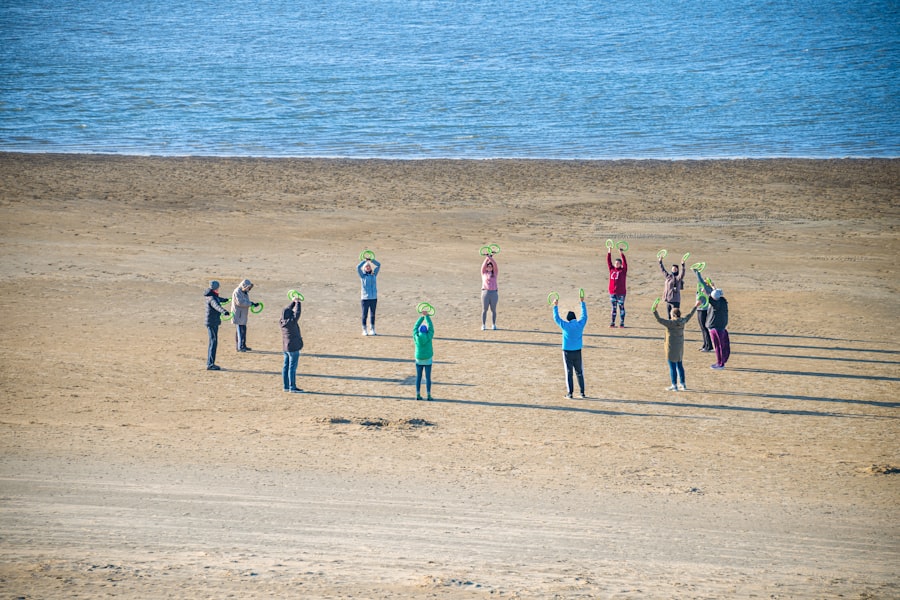
For individuals seeking to expand their social circles or simply connect with likeminded people, group workouts offer a natural and low-pressure environment.
Facilitating Organic Social Interaction
Unlike formal networking events, group workouts allow for casual and organic conversations to develop. The shared experience provides a common ground and talking point.
- Pre and Post-Workout Camaraderie: The moments before and after a workout are often filled with lighthearted banter, shared observations about the session, or discussions about unrelated topics. This contributes to building rapport.
- Shared Goals and Experiences: Working towards a common fitness goal, whether it’s completing a challenging class or improving in a specific sport, creates a sense of shared purpose and accomplishment that strengthens bonds.
- Breaking Down Social Barriers: The physical exertion and endorphin release can lower inhibitions, making it easier for individuals to open up and engage with others. This can be particularly beneficial for shy or introverted individuals.
Cultivating Supportive Communities
Beyond mere acquaintance, group workouts can foster genuine friendships and supportive communities that extend beyond the gym or studio.
- Mutual Support Networks: Members of these fitness communities often develop into informal support networks. They may offer advice, share resources, or provide emotional encouragement during challenging times, both inside and outside of their workout routines.
- Celebrating Successes, Navigating Challenges: These communities can become a space where individuals celebrate fitness milestones and collectively navigate the inevitable challenges that arise in maintaining an active lifestyle. This shared journey strengthens the bonds between them.
Specific Modalities and Their Mental Health Advantages

Different types of group workouts offer unique avenues for social fitness and mental health benefits. The choice of activity can cater to diverse preferences and needs.
Team Sports: Competition, Cooperation, and Camaraderie
Team sports, by their very nature, are inherently social. They demand cooperation, communication, and a shared objective.
- Developing Strategic Thinking and Problem-Solving: The dynamic nature of team sports requires constant adaptation, strategic thinking, and problem-solving, all of which can translate into improved cognitive function.
- Learning to Trust and Rely on Others: Success in team sports hinges on the ability to trust teammates and operate as a cohesive unit. This fosters a sense of interdependence and strengthens interpersonal bonds.
- Managing Competition Healthily: While competition is inherent, team sports teach individuals to embrace it as a motivator and a challenge, rather than a source of debilitating stress, fostering resilience.
Group Fitness Classes: Structure, Guidance, and Shared Effort
The popularity of group fitness classes, from yoga and Pilates to HIIT and spin, is a testament to their effectiveness in combining physical exertion with social engagement.
- Instructor-Led Motivation and Correction: The presence of a qualified instructor provides structure, guidance, and personalized feedback, enhancing the safety and effectiveness of the workout. This also eliminates the burden of self-direction.
- Synchronized Movement and Rhythmic Engagement: Many group fitness classes involve synchronized movements and rhythmic engagement with music. This can foster a sense of flow and collective immersion.
- Discovering New Fitness Passions: The variety of classes available allows individuals to explore different forms of exercise and discover new fitness passions, leading to greater enjoyment and long-term adherence.
Running and Cycling Clubs: Shared Pacing and Endurance
While individual running and cycling are common, joining a club adds a significant social dimension.
- Pacing and Endurance Support: Running or cycling in a group allows individuals to maintain a more consistent pace and push their endurance further, as they are supported by others.
- Exploring New Routes and Scenery: Clubs often organize runs or rides that explore new trails and scenic routes, adding an element of adventure and discovery to the activity.
- Post-Workout Socializing: Many running and cycling clubs have informal traditions of meeting for coffee or a meal after their sessions, further solidifying social connections.
Overcoming Barriers and Cultivating a Social Fitness Mindset
| Metrics | Data |
|---|---|
| Increased Motivation | Studies show that working out with others can increase motivation and adherence to exercise programs. |
| Reduced Stress | Exercising with others can lead to a reduction in stress levels and improved mental well-being. |
| Enhanced Social Interaction | Group workouts provide opportunities for social interaction, which can combat feelings of isolation and loneliness. |
| Improved Self-Esteem | Engaging in group fitness activities can boost self-esteem and confidence. |
Despite the clear benefits, several barriers can prevent individuals from engaging in group workouts. Recognizing and addressing these can lead to a more inclusive and accessible approach to social fitness.
Addressing Self-Consciousness and Intimidation
One of the most common hindrances is a fear of judgment or not being “fit enough” for a group setting.
- Choosing Beginner-Friendly Options: Many gyms and studios offer beginner or “intro to” classes that are specifically designed for newcomers. These provide a less intimidating entry point.
- Focusing on Personal Progress, Not Comparison: It is essential to shift the focus from comparing oneself to others to celebrating personal progress and effort. Everyone starts somewhere.
- Understanding the Inclusive Nature: Most group workout environments, especially those with a strong community focus, are inherently welcoming. Participants are generally more concerned with their own exertion than with scrutinizing others.
Navigating Time Constraints and Logistical Challenges
Finding time for group workouts can be difficult amidst busy schedules.
- Prioritizing and Scheduling: Treating group workouts with the same importance as other appointments can help individuals carve out the necessary time.
- Exploring Flexible Options: Some studios and gyms offer a variety of class times throughout the week, including early mornings, evenings, and weekends, to accommodate different schedules.
- The “Buddy System”: Even if a formal group isn’t feasible, finding a workout buddy can create mutual accountability and enhance the social aspect of exercise.
Cultivating a Mindset for Social Fitness
Ultimately, embracing social fitness requires a proactive mindset.
- Viewing Exercise as a Social Opportunity: Actively reframing exercise not just as a physical activity but as an opportunity for connection can change one’s approach.
- Openness to New Experiences: Being open to trying different types of workouts and engaging with new people is key to discovering the full potential of social fitness.
- Recognizing Long-Term Returns: The investment of time and effort in social workouts yields significant long-term dividends in terms of mental well-being, social capital, and overall life satisfaction.
In conclusion, the power of social fitness, particularly through group workouts, offers a potent and often overlooked pathway to enhancing mental health. By fostering connection, providing motivation and accountability, and building supportive communities, these shared physical experiences contribute to a more resilient, engaged, and emotionally balanced individual. Embracing this aspect of well-being can lead to a richer and more fulfilling life.
FAQs
What is social fitness?
Social fitness refers to the concept of engaging in physical activity or exercise with others, such as friends, family, or in a group setting. It involves the social aspect of working out and the positive impact it can have on mental health.
How does working out with others improve mental health?
Working out with others can improve mental health by providing social support, motivation, and accountability. It can also reduce feelings of loneliness and isolation, and increase feelings of belonging and connection.
What are the benefits of social fitness for mental health?
The benefits of social fitness for mental health include reduced stress, improved mood, increased self-esteem, and decreased symptoms of anxiety and depression. It can also enhance overall well-being and quality of life.
What types of activities can be considered social fitness?
Activities that can be considered social fitness include group exercise classes, team sports, walking or running clubs, dance classes, and outdoor recreational activities. Any physical activity that involves social interaction and support can contribute to social fitness.
Are there any specific populations that can benefit from social fitness for mental health?
Yes, specific populations that can benefit from social fitness for mental health include individuals experiencing loneliness, older adults, adolescents, and those with mental health conditions such as depression or anxiety. Social fitness can also be beneficial for anyone looking to improve their overall mental well-being.