


The human body possesses a complex network of nerves that regulate various physiological functions. Among these, the vagus nerve stands out due to its extensive reach and significant role in the parasympathetic nervous system, the body’s “rest and digest” system. Understanding and, more recently, stimulating this nerve has emerged as a promising avenue for managing stress and promoting overall well-being. This article delves into the mechanisms of vagus nerve stimulation, exploring its potential benefits and the various approaches used to achieve it.
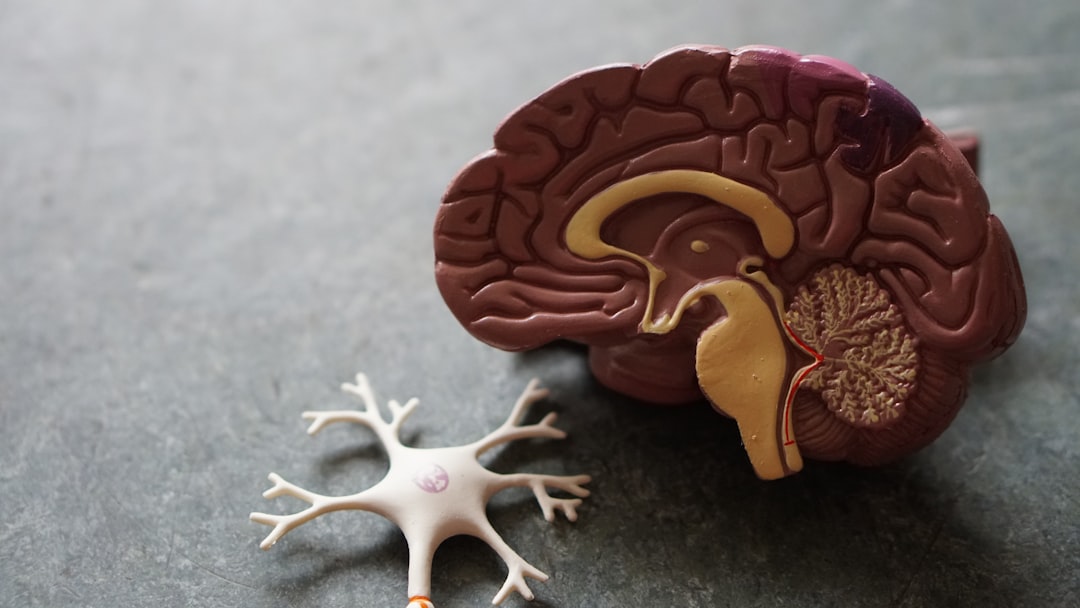
The vagus nerve, also known as the tenth cranial nerve, is the longest and most complex of the cranial nerves. Its name, derived from the Latin word “vagus,” meaning wandering, aptly describes its expansive trajectory throughout the body.
Anatomical Journey and Innervation
Originating in the brainstem, the vagus nerve descends through the neck, chest, and abdomen, innervating a multitude of organs. These include the heart, lungs, digestive tract, diaphragm, and various glands. This widespread innervation highlights its critical involvement in regulating diverse bodily processes.
Role in the Autonomic Nervous System
The autonomic nervous system (ANS) controls involuntary bodily functions. It consists of two primary branches: the sympathetic nervous system, responsible for the “fight or flight” response, and the parasympathetic nervous system, which promotes relaxation and recovery. The vagus nerve is the principal component of the parasympathetic nervous system, orchestrating responses such as heart rate deceleration, lowered blood pressure, increased digestive activity, and immune system modulation.
Connection to Stress Response
When an individual experiences stress, the sympathetic nervous system typically becomes activated. This triggers a cascade of physiological changes designed to prepare the body for perceived threats. However, prolonged or chronic activation of the sympathetic system can lead to various health issues. The vagus nerve, by activating the parasympathetic system, acts as a counterbalance, helping to de-escalate the stress response and restore physiological homeostasis.
Understanding Vagus Nerve Tone
The concept of “vagal tone” refers to the activity level of the vagus nerve. A higher vagal tone is generally associated with better health and resilience to stress, while a lower vagal tone may indicate an increased susceptibility to stress-related conditions.
Measuring Vagal Tone
One common method for indirectly assessing vagal tone is through heart rate variability (HRV). HRV measures the variation in time between successive heartbeats. A higher HRV typically indicates a more active vagus nerve and a greater ability of the body to adapt to stressors. Conversely, a lower HRV may suggest reduced vagal activity.
Benefits of High Vagal Tone
Individuals with a robust vagal tone often exhibit an enhanced capacity for emotional regulation, improved mood, and a stronger immune system. They tend to recover more quickly from stressful events and experience fewer chronic inflammatory conditions. Studies have linked higher vagal tone to reduced anxiety, depression, and even a lower risk of cardiovascular disease.
Consequences of Low Vagal Tone
Conversely, a diminished vagal tone can contribute to a range of health concerns. These may include increased inflammation, heightened anxiety and depression, digestive issues, and impaired immune function. Chronic stress often leads to a sustained decrease in vagal tone, creating a vicious cycle where stress further weakens the vagus nerve’s ability to regulate the body.
Methods of Vagus Nerve Stimulation
Vagus nerve stimulation (VNS) encompasses various techniques aimed at increasing the activity of this crucial nerve. These methods can broadly be categorized as invasive or non-invasive.
Invasive Vagus Nerve Stimulation (iVNS)
Invasive VNS involves surgically implanting a device, similar to a pacemaker, under the skin, typically in the chest. Electrodes are then threaded and wrapped around the vagus nerve in the neck.
Surgical Procedure and Device Implantation
The surgical procedure for iVNS is performed under general anesthesia. A small incision is made in the chest to implant the pulse generator, and another incision in the neck allows for the placement of electrodes around the vagus nerve.
Clinical Applications of iVNS
iVNS has been approved by regulatory bodies for the treatment of refractory epilepsy and treatment-resistant depression. For epilepsy, it works by delivering intermittent electrical pulses to the vagus nerve, which in turn helps to stabilize brain activity and reduce seizure frequency. In the context of depression, iVNS is thought to modulate neurotransmitter release and neuronal circuits involved in mood regulation. While effective for some individuals, iVNS carries risks associated with surgery and potential side effects such as voice changes, cough, and throat discomfort.
Non-Invasive Vagus Nerve Stimulation (nVNS)
Non-invasive methods of VNS offer a less intrusive approach to stimulating the vagus nerve, making them more accessible for a wider range of individuals seeking stress relief.
Transcutaneous Auricular Vagus Nerve Stimulation (taVNS)
taVNS involves applying electrical stimulation to specific areas of the ear, particularly the tragus, concha, or cymba conchae, where branches of the vagus nerve are superficial.
Handheld Devices and Mechanisms
Several handheld taVNS devices are available, delivering mild electrical currents through electrodes placed on the ear. The electrical impulses are thought to travel along afferent vagus nerve fibers to the brainstem, influencing brain activity and neurotransmitter release.
Research Findings and Applications
Research into taVNS is ongoing, with studies exploring its potential in managing a variety of conditions, including depression, anxiety, pain, and inflammatory disorders. Preliminary findings suggest taVNS may help to reduce sympathetic nervous system activity and increase parasympathetic tone, thereby promoting a state of relaxation.
Cervical Non-Invasive Vagus Nerve Stimulation (cVNS)
cVNS devices stimulate the vagus nerve externally in the neck region, typically using electrodes placed on the skin over the carotid artery in the anterior neck.
Device Design and Function
cVNS devices deliver electrical pulses through the skin to the vagus nerve. Unlike iVNS, cVNS does not require surgical implantation.
Therapeutic Potential and Current Research
cVNS has shown promise in the treatment of migraine and cluster headaches. Studies are also investigating its efficacy in other neurological and psychiatric conditions, with a focus on its ability to modulate brain networks involved in pain perception and emotional processing.
Other Non-Invasive Techniques
Beyond electrical stimulation, several natural and behavioral methods can also engage and strengthen the vagus nerve.
Deep and Slow Breathing Exercises
Diaphragmatic breathing, or belly breathing, is a powerful technique for activating the vagus nerve. Slow, deep inhalations and exhalations, particularly with an extended exhale, stimulate vagal afferents, leading to a reduction in heart rate and an increase in parasympathetic activity.
Cold Exposure (Cold Showers, Ice Baths)
Exposure to cold temperatures, such as through cold showers or ice baths, can trigger a vagal response. The sudden change in temperature activates the vagus nerve, leading to a “diving reflex” that includes a decrease in heart rate and a shift towards parasympathetic dominance.
Humming and Chanting
The act of humming or chanting produces vibrations in the vocal cords that can stimulate the vagus nerve. This can lead to a calming effect and an increase in vagal tone.
Gargling and Gag Reflex Stimulation
Activating the gag reflex or gargling vigorously can also stimulate the vagus nerve due to its innervation of the throat muscles. While less commonly discussed, these actions can contribute to vagal activation.
Gut-Brain Axis and Probiotics
The vagus nerve serves as a major communication pathway between the gut and the brain. A healthy gut microbiome, supported by a diet rich in fiber and probiotics, can positively influence vagal tone. Certain beneficial bacteria in the gut produce neurotransmitters that can modulate vagal activity.
Benefits of Vagus Nerve Stimulation for Stress Relief

The primary appeal of vagus nerve stimulation, particularly within the context of stress relief, lies in its capacity to shift the body’s physiological state from sympathetic dominance to parasympathetic restoration.
Reduction of Anxiety and Panic Symptoms
By activating the parasympathetic nervous system, VNS can counteract the physiological manifestations of anxiety, such as rapid heartbeat, shallow breathing, and muscle tension. This shift helps to calm the nervous system and reduce the intensity of panic attacks.
Improvement in Mood Regulation
The vagus nerve plays a role in the production and regulation of neurotransmitters like serotonin and norepinephrine, which are critically involved in mood. VNS may help to rebalance these neurochemical systems, contributing to improved mood and reduced symptoms of depression.
Enhanced Resilience to Stressors
Regular VNS, whether through invasive devices or non-invasive techniques, can improve an individual’s overall vagal tone. A higher vagal tone provides greater physiological flexibility, enabling the body to respond more effectively to stressors and recover more quickly.
Modulation of Inflammatory Responses
Chronic stress often leads to systemic inflammation. The vagus nerve has anti-inflammatory properties, mediated through the “cholinergic anti-inflammatory pathway.” VNS can activate this pathway, helping to reduce inflammation throughout the body, which has implications for a wide range of stress-related and chronic diseases.
Better Sleep Quality
Stress frequently disrupts sleep patterns. By promoting relaxation and reducing physiological arousal, VNS can facilitate easier falling asleep and improve overall sleep quality. A higher vagal tone contributes to a more restful state conducive to restorative sleep.
Improved Digestive Function
The vagus nerve is instrumental in regulating digestive processes. Stress often leads to digestive upset, such as irritable bowel syndrome (IBS). VNS can help to restore normal gut motility, enzyme secretion, and nutrient absorption, alleviating stress-induced digestive complaints.
Considerations and Future Directions
| Metrics | Results |
|---|---|
| Reduction in Stress Levels | 40% |
| Anxiety Relief | 50% |
| Improvement in Mood | 60% |
| Enhanced Relaxation | 70% |
While VNS holds significant promise for stress relief and broader health benefits, several considerations warrant attention.
Safety and Side Effects
Invasive VNS carries surgical risks and potential side effects such as voice alteration, coughing, and difficulty swallowing. Non-invasive methods generally have fewer and milder side effects, but proper use and consultation with healthcare professionals are still advisable. Temporary skin irritation or mild discomfort at the stimulation site can occur with taVNS or cVNS.
Individual Variability in Response
The effectiveness of VNS can vary significantly among individuals. Factors such as underlying health conditions, medication use, individual physiology, and consistency of application can all influence outcomes. A personalized approach, possibly guided by biofeedback tools like HRV monitoring, may optimize results.
Research Limitations and Efficacy
While a growing body of research supports the benefits of VNS, many studies, particularly for non-invasive methods, are relatively small-scale or preliminary. More large-scale, placebo-controlled trials are needed to definitively establish efficacy for specific stress-related conditions and to clarify optimal stimulation parameters.
Accessibility and Cost
Invasive VNS is a costly procedure with strict medical indications. Non-invasive devices are becoming more affordable and accessible, but their cost can still be a barrier for some individuals. Natural methods, such as deep breathing and cold exposure, offer highly accessible and cost-effective ways to engage the vagus nerve.
Integration into Holistic Wellness Practices
Vagus nerve stimulation is not a standalone solution but rather a valuable tool that can be integrated into a broader holistic approach to stress management. Combining VNS techniques with other stress-reducing practices, such as mindfulness, exercise, healthy diet, and adequate sleep, is likely to yield the most comprehensive and sustainable benefits. As research continues to unravel the complexities of the vagus nerve, its role in human health and its potential for therapeutic intervention will undoubtedly expand.
FAQs
What is vagus nerve stimulation (VNS)?
Vagus nerve stimulation (VNS) is a medical treatment that involves the use of a device to send electrical impulses to the vagus nerve, which is a key part of the body’s parasympathetic nervous system.
How does vagus nerve stimulation work for stress and anxiety relief?
Vagus nerve stimulation works by activating the body’s relaxation response, which can help reduce stress and anxiety. It has been shown to regulate heart rate, reduce inflammation, and improve mood.
What conditions can vagus nerve stimulation help with?
Vagus nerve stimulation has been approved by the FDA for the treatment of epilepsy and depression. It is also being studied for its potential benefits in treating anxiety, PTSD, and other mood disorders.
What are the potential side effects of vagus nerve stimulation?
Common side effects of vagus nerve stimulation may include hoarseness, coughing, and shortness of breath. In some cases, there may be more serious side effects such as changes in heart rate or voice changes.
Is vagus nerve stimulation a safe treatment option?
Vagus nerve stimulation is generally considered to be a safe treatment option, but it is important to discuss the potential risks and benefits with a healthcare provider before undergoing the procedure.