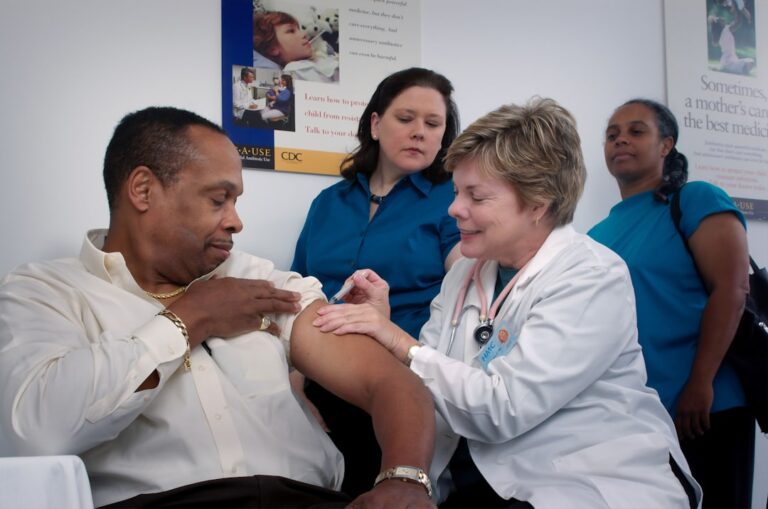




Access to quality medical care remains a pressing global challenge, akin to a complex, multi-layered puzzle where each piece represents a distinct barrier or solution. The pursuit of universal, equitable healthcare is not merely an idealistic aspiration, but a fundamental pillar of societal well-being and economic prosperity. This article explores various facets of improving access to quality medical care, dissecting the intricate problems and proposing evidence-based strategies for their amelioration.
Before delving into improvements, it is crucial to define what constitutes “quality medical care.” It is not merely the availability of medical services, but a nuanced combination of efficacy, safety, patient-centeredness, timeliness, efficiency, and equity. Efficacy refers to the degree to which interventions achieve desired health outcomes, supported by robust scientific evidence. Safety encapsulates the minimization of harm to patients. Patient-centeredness emphasizes respect for patient preferences, values, and cultures, ensuring their active participation in decision-making. Timeliness refers to the provision of care when needed, avoiding unnecessary delays. Efficiency implies the optimal use of resources, preventing waste. Finally, equity dictates that care should not vary in quality due to personal characteristics such as gender, ethnicity, geographic location, or socioeconomic status.
Defining “Quality” in Healthcare
The concept of quality in healthcare is multifaceted and evolving. Historically, quality was often equated with expertise and facility infrastructure. However, modern approaches encompass a broader spectrum. The Institute of Medicine (IOM) has been instrumental in shaping this understanding, outlining six key domains of healthcare quality: safety, effectiveness, patient-centeredness, timeliness, efficiency, and equity. These domains serve as guiding principles for evaluating and improving healthcare systems worldwide. For example, an effective treatment delivered in an unsafe environment, or a patient-centered approach that results in excessive delays, would both fall short of true quality.
The Interplay of Access and Quality
Access and quality are inextricably linked; one cannot truly exist without the other. High-quality care that is inaccessible to a significant portion of the population is, in effect, poor-quality care systemically. Conversely, readily accessible care that is substandard in quality can lead to negative health outcomes and erode public trust. Imagine a sprawling network of roads (access) that lead to dilapidated, unsafe bridges (quality). The journey, despite its ease, becomes perilous and ultimately futile. Therefore, efforts to improve access must simultaneously prioritize the maintenance and enhancement of quality standards across all healthcare touchpoints.
In recent discussions about advancements in medical care, the integration of technology plays a crucial role in enhancing patient outcomes and streamlining healthcare processes. A related article that delves into the transformative impact of technology on various sectors, including healthcare, is available at this link: SASE Explained: Revolutionizing Network and Security Infrastructure. This article explores how innovative solutions can improve not only network security but also the efficiency of medical services, ultimately benefiting patients and providers alike.
Addressing Geographic and Resource Disparities
A significant impediment to equitable medical care is the uneven distribution of resources, particularly between urban and rural areas, and between affluent and impoverished regions. This disparity is a deeply entrenched challenge, reflecting historical and systemic inequities.
Bridging the Rural-Urban Divide
Rural communities frequently face a critical shortage of healthcare professionals, including physicians, specialists, and nurses. This phenomenon is often termed “medical desertification,” similar to an ecological desert devoid of essential resources. Factors contributing to this include the allure of higher salaries and better infrastructure in urban centers, limited access to professional development opportunities in rural areas, and the social isolation experienced by healthcare workers in remote locations. Furthermore, rural healthcare facilities often lack advanced medical technology, leading to a reliance on referrals to urban centers for specialized care. This creates a significant burden on patients, involving extensive travel, time off work, and additional expenses.
Strategies to address this divide include incentive programs for healthcare professionals to practice in underserved areas, such as loan forgiveness and scholarships. The expansion of telehealth services is another powerful tool, allowing specialists to consult with patients remotely, transcending geographical barriers. Mobile clinics and community health workers can also play a crucial role in bringing essential preventive and basic care directly to isolated populations.
Overcoming Socioeconomic Barriers
Socioeconomic status acts as a formidable gatekeeper to quality medical care. Individuals with lower incomes often lack health insurance, leading to financial concerns that delay or prevent them from seeking necessary medical attention. Even with insurance, high deductibles, co-pays, and out-of-pocket expenses can create insurmountable financial burdens. Beyond direct costs, socioeconomic factors influence access through indirect means, such as limited transportation options, inflexible work schedules that prevent clinic visits, and a lack of health literacy. These challenges can be likened to navigating a formidable labyrinth without a map or compass.
Solutions encompass expanding affordable health insurance coverage, implementing sliding scale payment systems, and offering financial assistance programs for medical expenses. Community-based health initiatives that provide education on preventive care and health navigation, alongside transportation assistance, can also mitigate these barriers. Addressing the root causes of poverty and income inequality is, in itself, a crucial step towards improving health outcomes.
Leveraging Technology for Enhanced Access
Technological advancements offer a beacon of hope in the quest for improved medical care access, acting as a force multiplier that can extend the reach and efficiency of healthcare delivery.
The Rise of Telemedicine and Digital Health
Telemedicine, the delivery of healthcare services remotely using telecommunications technology, has emerged as a transformative force, particularly accelerated by global health crises. It enables virtual consultations, remote monitoring of chronic conditions, and even digital prescription services. This not only benefits patients in remote areas but also improves convenience for urban dwellers, reduces travel time and costs, and minimizes unnecessary visits to clinics or emergency rooms. Digital health encompasses a broader range of technologies, including mobile health (mHealth) applications, wearable devices for health tracking, and artificial intelligence-powered diagnostic tools. These tools empower individuals to take a more active role in managing their own health and provide valuable data for healthcare providers.
The effective implementation of telemedicine and digital health requires robust broadband infrastructure, digital literacy initiatives, and regulatory frameworks that ensure patient privacy and data security. The digital divide, much like the rural-urban divide, must be addressed to ensure these technologies benefit all segments of society, not just the technologically adept.
Electronic Health Records (EHRs) and Data Integration
The widespread adoption of Electronic Health Records (EHRs) is a cornerstone of modern healthcare improvement. EHRs centralize patient medical history, test results, medications, and treatment plans, replacing fragmented paper records. This integration facilitates seamless information sharing among different healthcare providers, departments, and even across institutions. Imagine a sprawling library of information, instantly accessible and searchable, rather than scattered scrolls in various disorganized locations. This interoperability leads to more coordinated care, reduces medical errors stemming from incomplete information, and prevents duplicate tests.
However, challenges remain in achieving true interoperability between different EHR systems, often due to proprietary software and lack of standardized data formats. Robust cybersecurity measures are also essential to protect sensitive patient information from breaches. Future advancements will focus on artificial intelligence and machine learning applications within EHRs to identify patterns, predict risks, and personalize treatment plans, further enhancing the quality and efficiency of care.
Strengthening Primary Healthcare Systems
Primary healthcare acts as the front line of defense in any robust healthcare system, serving as the first point of contact for individuals and families, and playing a critical role in disease prevention and health promotion. It is the bedrock upon which a healthy society is built.
The Gateway to Comprehensive Care
A strong primary healthcare system ensures continuity of care, fosters long-term patient-provider relationships, and emphasizes preventive services. Family physicians, general practitioners, and community health centers often serve as care navigators, guiding patients through the complexities of the healthcare system and coordinating referrals to specialists when necessary. This holistic approach focuses on the individual’s overall well-being, rather than merely treating isolated illnesses. When primary care is robust, it can significantly reduce the burden on more expensive specialist and hospital services by addressing health issues early and effectively managing chronic conditions.
Investing in primary healthcare means prioritizing adequate funding, enhancing the training and retention of primary care providers, and integrating public health initiatives within primary care settings. This would transform primary care clinics from mere sick-care centers into comprehensive wellness hubs.
Emphasizing Preventive Care and Health Education
Preventive care is often described as the “ounce of prevention” that saves “a pound of cure.” It encompasses vaccinations, regular screenings (e.g., for cancer, diabetes, hypertension), nutritional counseling, and lifestyle guidance. Investing in preventive care yields significant long-term benefits by reducing the incidence of chronic diseases, improving quality of life, and decreasing healthcare costs. Health education empowers individuals to make informed decisions about their health, fostering a culture of proactive wellness.
Effective health education programs must be culturally sensitive, accessible, and delivered through multiple channels, including schools, workplaces, and community organizations. Public health campaigns can also play a vital role in disseminating crucial health information and promoting healthy behaviors. By shifting the focus from reactive disease treatment to proactive health maintenance, societies can cultivate a healthier, more resilient population.
In recent discussions about advancements in healthcare, the importance of integrating innovative technologies into medical care has become increasingly evident. A related article explores how innovation is transforming various industries, including healthcare, highlighting the necessity for continuous improvement in patient care. For further insights on this topic, you can read more about it in this article on innovation and its impact on narrative structures in different fields. Check it out here.
Addressing the Healthcare Workforce Crisis
| Metric | Description | Value | Unit | Year |
|---|---|---|---|---|
| Hospital Beds per 1,000 People | Number of hospital beds available per 1,000 population | 2.8 | beds | 2023 |
| Physicians per 1,000 People | Number of practicing physicians per 1,000 population | 2.5 | physicians | 2023 |
| Average Hospital Stay | Average length of stay for patients in hospitals | 5.4 | days | 2023 |
| Patient Satisfaction Rate | Percentage of patients satisfied with medical care received | 87 | % | 2023 |
| Immunization Coverage | Percentage of children immunized against common diseases | 92 | % | 2023 |
| Healthcare Expenditure per Capita | Average healthcare spending per person | 3,200 | units | 2023 |
A well-trained, adequately staffed, and equitably distributed healthcare workforce is the beating heart of any effective medical system. Without sufficient human capital, even the most advanced technologies or policies remain inert.
Attracting and Retaining Healthcare Professionals
Many regions face critical shortages of healthcare professionals, ranging from general practitioners to specialized surgeons, nurses, and allied health professionals. This shortage is exacerbated by an aging workforce, burnout, and insufficient training pipelines. The demanding nature of healthcare professions, coupled with increasingly complex medical knowledge, contributes to stress and attrition. Similar to a leaking bucket, efforts to fill it are undermined by continuous outflow.
Strategies to address this include increasing funding for medical and nursing schools, expanding residency programs, and offering competitive salaries and benefits. Professional development opportunities, mentorship programs, and initiatives to promote work-life balance are crucial for retaining experienced personnel. Creating supportive and collaborative work environments can also significantly reduce burnout and improve job satisfaction.
Enhancing Training and Professional Development
The rapid pace of medical innovation necessitates continuous learning and professional development for all healthcare providers. Access to ongoing education, certifications, and advanced training is vital for maintaining high standards of care and ensuring that practitioners are equipped with the latest evidence-based practices. This includes training in emerging technologies, cultural competency, and patient communication skills.
Governments, academic institutions, and professional organizations must collaborate to develop and implement accessible, high-quality continuing medical education programs. Investing in simulation centers, virtual reality training, and interdisciplinary learning opportunities can enhance skill development and critical thinking among healthcare professionals, preparing them for the evolving challenges of modern medicine.
In the realm of medical care, understanding the nuances of insurance coverage is crucial for patients seeking the best treatment options. A related article that provides valuable insights into this topic is Understanding Dental Insurance Plans: A Guide to PPO Coverage, which delves into the specifics of dental insurance and how it can impact overall health care decisions. By familiarizing themselves with such resources, individuals can make more informed choices regarding their medical and dental needs.
Fostering Collaborative and Patient-Centered Approaches
Ultimately, improving access to quality medical care hinges on a paradigm shift towards more collaborative and patient-centered systems. The patient must be placed at the core of all healthcare endeavors.
Interprofessional Collaboration and Team-Based Care
Healthcare is increasingly complex, requiring the expertise of multiple disciplines. Interprofessional collaboration, where different healthcare professionals work together as a cohesive team (e.g., physicians, nurses, pharmacists, social workers, physical therapists), leads to more comprehensive and coordinated patient care. This team-based approach ensures that all aspects of a patient’s health are considered, leading to better outcomes and a more efficient use of resources. Imagine an orchestra, where each instrument plays its part in harmony, creating a symphonic masterpiece of care.
Fostering such collaboration requires training programs that emphasize teamwork, communication skills, and mutual respect among different professions. Shared decision-making processes and clear lines of communication are essential for effective team-based care, breaking down traditional hierarchical structures in healthcare.
Empowering Patients in Their Healthcare Journey
Patient empowerment involves providing individuals with the knowledge, skills, and confidence to actively participate in decisions about their health and healthcare. This includes informed consent, access to their medical records, and clear communication from their providers. When patients are empowered, they are more likely to adhere to treatment plans, engage in preventive behaviors, and ask pertinent questions, leading to improved health outcomes.
Healthcare systems must adopt patient-centered communication strategies, utilize plain language, and offer culturally appropriate educational materials. Integrating patient navigators or advocates can further support individuals in understanding their options and making informed choices. Embracing shared decision-making models where patients and providers collaborate on treatment plans creates a partnership that strengthens trust and improves the overall healthcare experience.
In conclusion, improving access to quality medical care is a monumental undertaking, demanding a sustained, multi-sectoral approach. It is not merely about building more hospitals or clinics; it is about constructing a robust ecosystem of care that is equitable, efficient, and deeply rooted in the needs and values of the individuals it serves. By focusing on defining quality, addressing disparities, leveraging technology, strengthening primary care, investing in the workforce, and fostering collaboration, societies can move closer to the ideal of universal access to quality medical care, transforming it from an elusive dream into a tangible reality for all.
FAQs
What is medical care?
Medical care refers to the services provided by healthcare professionals to diagnose, treat, and prevent illnesses and injuries. It includes a wide range of activities such as medical examinations, surgeries, medication management, and rehabilitation.
Who provides medical care?
Medical care is provided by a variety of healthcare professionals including doctors, nurses, specialists, therapists, and other trained medical staff. These professionals work in hospitals, clinics, and other healthcare settings.
What types of medical care are available?
There are several types of medical care including primary care, emergency care, specialty care, preventive care, and long-term care. Each type addresses different health needs, from routine check-ups to urgent medical interventions.
How can I access medical care?
Access to medical care can be obtained through healthcare facilities such as hospitals, clinics, and urgent care centers. Many countries have healthcare systems that may require insurance or government programs to cover costs. Appointments can often be made directly or through referrals.
Why is preventive medical care important?
Preventive medical care helps detect health issues early, reduces the risk of developing serious diseases, and promotes overall wellness. It includes vaccinations, screenings, lifestyle counseling, and regular health check-ups.